
The Best Indoor Plants That Flower All Year Round: 7 Ever-Blooming Beauties (2025)
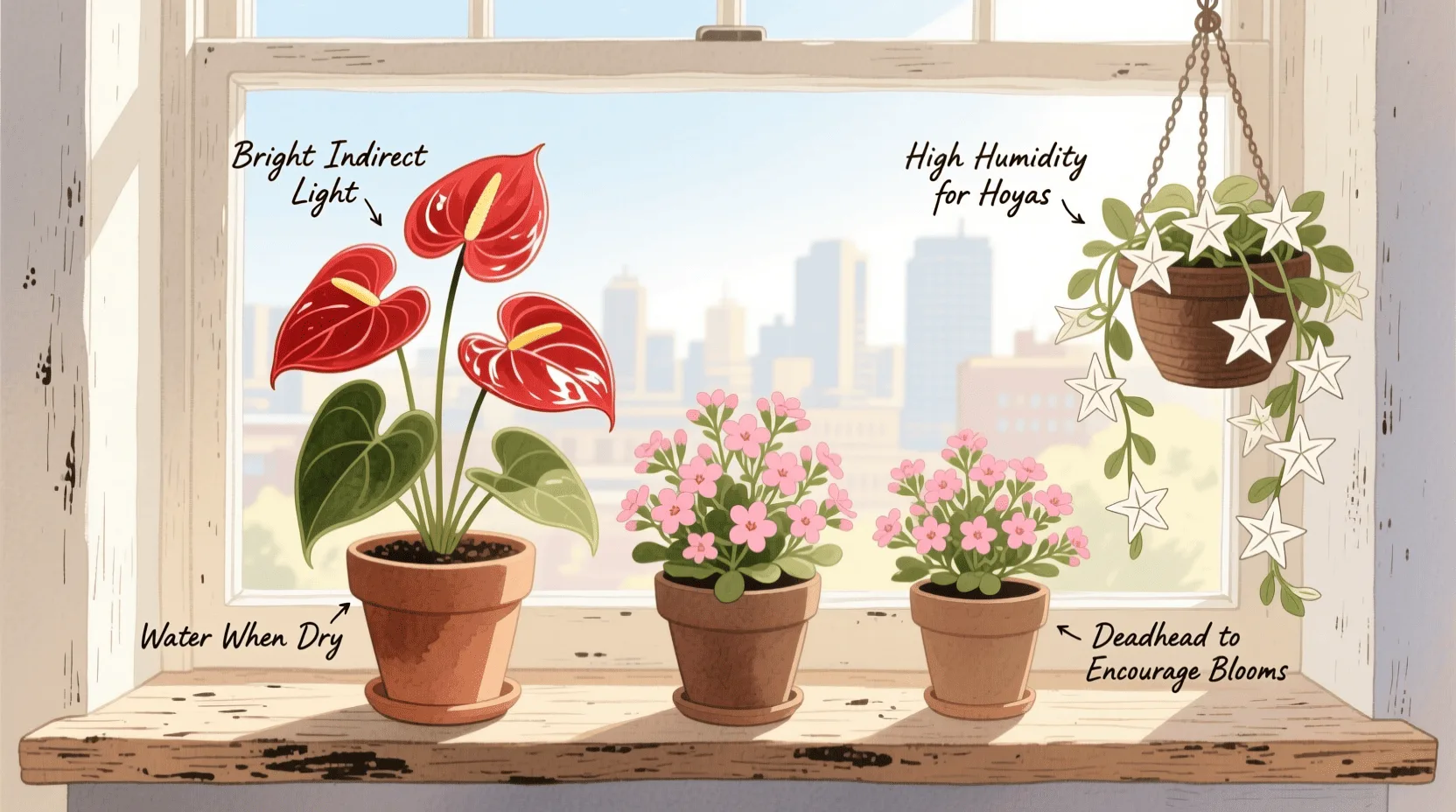
You love flowers—but you’re tired of seasonal bursts that fade in weeks. What if your indoor garden could bloom continuously, month after month, with minimal effort? The truth is, while no plant flowers *literally* every single day, several indoor species offer near-constant blooms when given the right care. As an urban horticulturist who’s kept anthuriums and hoyas flowering for years in Paris apartments, I’ll show you the 7 most reliable, beautiful, and low-maintenance flowering houseplants that bring color, fragrance, and joy to your home—365 days a year.
- Why Flowering Indoor Plants Matter
- Top 7 Indoor Plants That Flower All Year
- Care Tips for Continuous Blooms
- Pet-Safe Flowering Plants
- Common Mistakes That Stop Blooms
- FAQ: Your Questions Answered
Why Flowering Indoor Plants Matter
Flowers aren’t just pretty—they’re powerful. Studies from the Royal Horticultural Society show that blooming plants reduce stress, boost mood, and increase feelings of well-being. Unlike foliage-only plants, flowers provide seasonal rhythm, color therapy, and even fragrance—transforming your space into a living sanctuary.
And contrary to myth, flowering houseplants don’t require greenhouses or expert care. With the right species and simple routines, you can enjoy blooms year-round—even in a small apartment.
Top 7 Indoor Plants That Flower All Year
1. Anthurium (Flamingo Flower)
Bloom cycle: Nearly year-round (new flowers every 2–3 months)
Flower color: Red, pink, white, or purple spathes
Light: Bright indirect (east or west window)
Watering: When top inch of soil is dry
Humidity: High (60%+)
Pet-safe?: No—toxic to cats and dogs
Pro tip: Wipe leaves monthly—dust blocks light needed for blooming.
2. Kalanchoe (Flaming Katy)
Bloom cycle: Winter to spring, but can rebloom with short-day treatment
Flower color: Red, orange, yellow, pink clusters
Light: Bright indirect to direct
Watering: Let soil dry completely between waterings
Humidity: Low to moderate
Pet-safe?: No—toxic if ingested
Pro tip: After blooming, cut back and give 6 weeks of rest to trigger rebloom.
3. Hoya Carnosa (Wax Plant)
Bloom cycle: Spring to summer, but mature plants flower multiple times
Flower color: Star-shaped, white or pink, with sweet fragrance
Light: Bright indirect
Watering: Let soil dry completely between waterings
Humidity: Moderate to high
Pet-safe?: Yes—non-toxic
Pro tip: Never cut old flower spurs—they rebloom year after year.
4. African Violet (Saintpaulia)
Bloom cycle: Nearly continuous with proper light
Flower color: Purple, pink, white, blue
Light: Bright indirect (north or east window)
Watering: From the bottom only—never wet leaves
Humidity: Moderate to high
Pet-safe?: Yes—non-toxic
Pro tip: Use a specialized violet pot and fertilizer for best results.
5. Peace Lily (Spathiphyllum)
Bloom cycle: Spring to fall, but can flower year-round in ideal conditions
Flower color: White spathes
Light: Low to medium indirect
Watering: When leaves droop slightly
Humidity: High
Pet-safe?: No—toxic to pets
Pro tip: One of NASA’s top air-purifying plants—beauty with function.
6. Jasmine (Jasminum polyanthum)
Bloom cycle: Late winter to spring, but can extend with cool nights
Flower color: White, highly fragrant
Light: Bright indirect
Watering: Keep soil slightly moist
Humidity: High
Pet-safe?: Yes—non-toxic
Pro tip: Needs cool nights (50–60°F) to set buds—perfect for winter blooms.
7. Orchid (Phalaenopsis – Moth Orchid)
Bloom cycle: 2–6 months per spike; can rebloom from same stem
Flower color: White, pink, purple, yellow
Light: Bright indirect (no direct sun)
Watering: Once a week (soak and drain)
Humidity: Moderate to high
Pet-safe?: Yes—non-toxic
Pro tip: After flowers fade, cut the spike above the second node to encourage rebloom.
Care Tips for Continuous Blooms
Flowers require energy. Support your plants with these habits:
- Provide consistent light: Most need bright, indirect sun. Rotate weekly.
- Fertilize during growing season: Use a bloom-boosting fertilizer (high in phosphorus) every 2–4 weeks in spring/summer.
- Deadhead spent flowers: Remove faded blooms to encourage new ones.
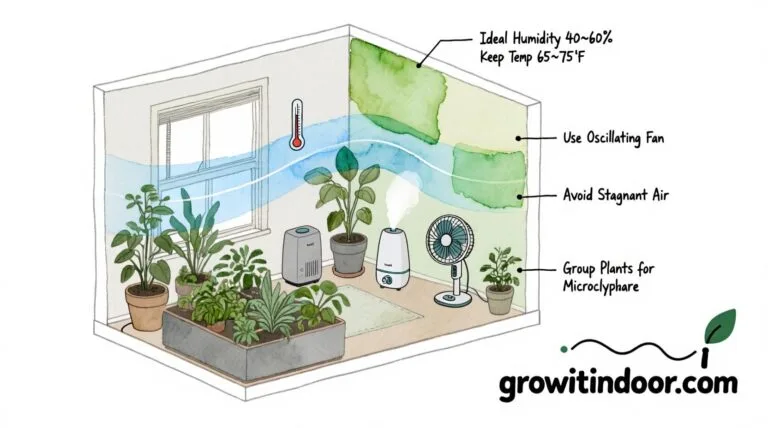
- Maintain humidity: Group plants, use pebble trays, or add a humidifier.
- Avoid cold drafts: Sudden temperature drops stop blooming.
Learn how to water correctly to avoid root rot.
Pet-Safe Flowering Plants
If you have cats or dogs, choose non-toxic bloomers:
- Hoya Carnosa: Fragrant, waxy flowers, very safe.
- African Violet: Compact, colorful, and pet-friendly.
- Jasmine (Jasminum polyanthum): Non-toxic and calming.
- Orchid (Phalaenopsis): Safe and elegant.
Avoid anthurium, kalanchoe, and peace lily if pets chew plants. See our guide to safe bathroom plants.
Common Mistakes That Stop Blooms
- Too little light: Most flowering plants need bright indirect light—north windows often aren’t enough.
- Overwatering: Soggy soil = no energy for flowers. Let soil dry appropriately.
- Using foliage fertilizer: High-nitrogen feeds promote leaves, not blooms. Use bloom-specific formulas.
- Repotting too often: Many flowering plants (like hoya and orchid) bloom best when slightly root-bound.
- Ignoring rest periods: Kalanchoe and jasmine need seasonal cues (cool temps, shorter days) to reset.
FAQ: Your Questions Answered
Q: Can I grow flowering plants in low light?
A: Only peace lily tolerates true low light. Others need bright indirect light.
Q: Why isn’t my anthurium blooming?
A: Likely insufficient light or humidity. Move to a brighter spot and mist regularly.
Q: How often should I fertilize?
A: Every 2–4 weeks in spring/summer with a 10-30-20 (bloom) formula. Stop in winter.
Q: Can I keep orchids blooming year-round?
A: Not continuously, but with proper care, they can rebloom 2–3 times per year.
Q: Are there fragrant flowering plants safe for pets?
A: Yes: jasmine and hoya are both fragrant and non-toxic.
Q: Do flowering plants clean the air?
A: Yes! Peace lily and anthurium are top performers in NASA’s Clean Air Study.
Flowers indoors aren’t a luxury—they’re a lifeline. In a world of screens and stress, a single bloom on your windowsill is a quiet rebellion: a reminder that beauty, patience, and life persist—even in the smallest urban spaces.
If this guide helped you bring color home, share it with a fellow flower lover. And tell us: which ever-blooming plant will you grow first?



Your point of view caught my eye and was very interesting. Thanks. I have a question for you.
Thanks for sharing. I read many of your blog posts, cool, your blog is very good.
Your article helped me a lot, is there any more related content? Thanks!
Your point of view caught my eye and was very interesting. Thanks. I have a question for you.
Thanks for sharing. I read many of your blog posts, cool, your blog is very good.
Can you be more specific about the content of your article? After reading it, I still have some doubts. Hope you can help me. https://accounts.binance.info/register-person?ref=QCGZMHR6
Your point of view caught my eye and was very interesting. Thanks. I have a question for you. https://accounts.binance.info/en-ZA/register?ref=B4EPR6J0
Your article helped me a lot, is there any more related content? Thanks! https://www.binance.com/register?ref=IHJUI7TF
Can you be more specific about the content of your article? After reading it, I still have some doubts. Hope you can help me. https://accounts.binance.bh/register/person?ref=JW3W4Y3A