The Overwatered Plant Rescue Kit: What to Do When It’s Too Late (But Isn’t)
We’ve all been there.
You come back from vacation. The cat knocked over the watering can. Or maybe you just didn’t realize how dry the soil was — so you drowned it in a panic.
Suddenly, your once-thriving pothos is drooping. Yellow leaves. Mushy stems. A sour smell from the pot.
It feels like game over.
But here’s the truth: an overwatered plant isn’t dead — it’s in shock.
And with fast action, most can be saved.
In this guide, you’ll discover:
- How to diagnose root rot before it’s too late
- A step-by-step rescue protocol
- The essential tools every indoor gardener should keep on hand
- Why “less water” is more powerful than any fertilizer
Let’s bring your plant back — one breath at a time.
🚨 Step 1: Diagnose the Real Damage
Don’t guess. Act based on signs.
💧 Signs of Overwatering:
- Yellowing lower leaves
- Soil stays wet for days
- Foul or musty smell
- Soft, brown roots when inspected
- No new growth for weeks
🔗 Source: University of Florida IFAS – Root Rot in Indoor Plants
❌ Common Mistakes:
- Watering because leaves are drooping (could be underwatering!)
- Repotting without checking roots
- Using garden soil in pots (holds too much water)
🛠️ Step 2: Build Your Rescue Kit
Keep these items ready — not just for emergencies, but for peace of mind.
| Tool | Purpose |
|---|---|
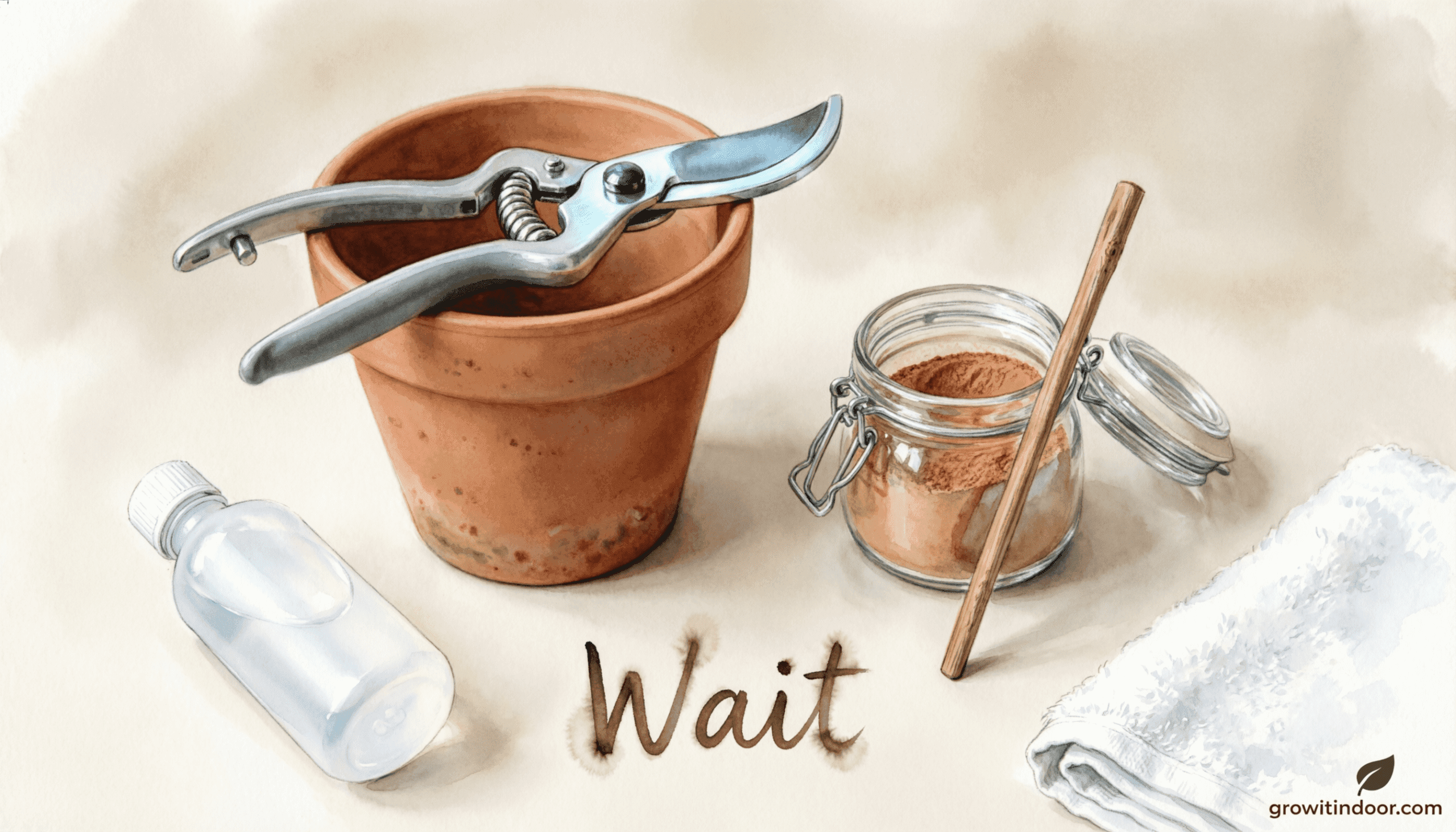
| Pruning shears (sterilized) | Cut away rotten roots safely |
| Cinnamon powder | Natural antifungal — dust cut areas |
| Fresh perlite or orchid bark | Improve drainage in new mix |
| Terracotta pot (with drainage) | Breathable clay prevents moisture buildup |
| Hydrogen peroxide (3%) | Kill bacteria and aerate compacted soil |
| Chopstick or skewer | Test soil moisture without digging |
📌 Pro Tip: Store in a small basket labeled “Plant ER” — easy to grab when trouble strikes.
🔁 Step 3: Emergency Rescue Protocol
Follow these steps within 72 hours:
1. Remove the Plant from Its Pot
Gently loosen the soil and pull out the root ball.
2. Inspect the Roots
- Healthy roots: firm, white or light green
- Rotten roots: soft, dark, slimy
Use sterilized scissors to trim all damaged parts.
3. Dust with Cinnamon Powder
A natural fungicide that helps prevent infection.
4. Let It Dry
Place the plant on paper towels in bright, warm air (not direct sun). Wait 4–6 hours.
5. Repot in Fresh Mix
Use well-draining soil (add perlite). Choose a terracotta pot if possible.
6. Hold Off on Watering
Wait at least 7 days before watering again.
💡 Recommended Product: VIVOSUN Terracotta Pots (Set of 6)
After years of plastic pots trapping moisture, I switched to terracotta — and my plants have never looked better.
The VIVOSUN Terracotta Pots (6-pack, 6-inch) are unglazed, breathable, and perfect for recovery.
They wick away excess moisture naturally, reduce root rot risk, and give a warm, earthy look to your space.
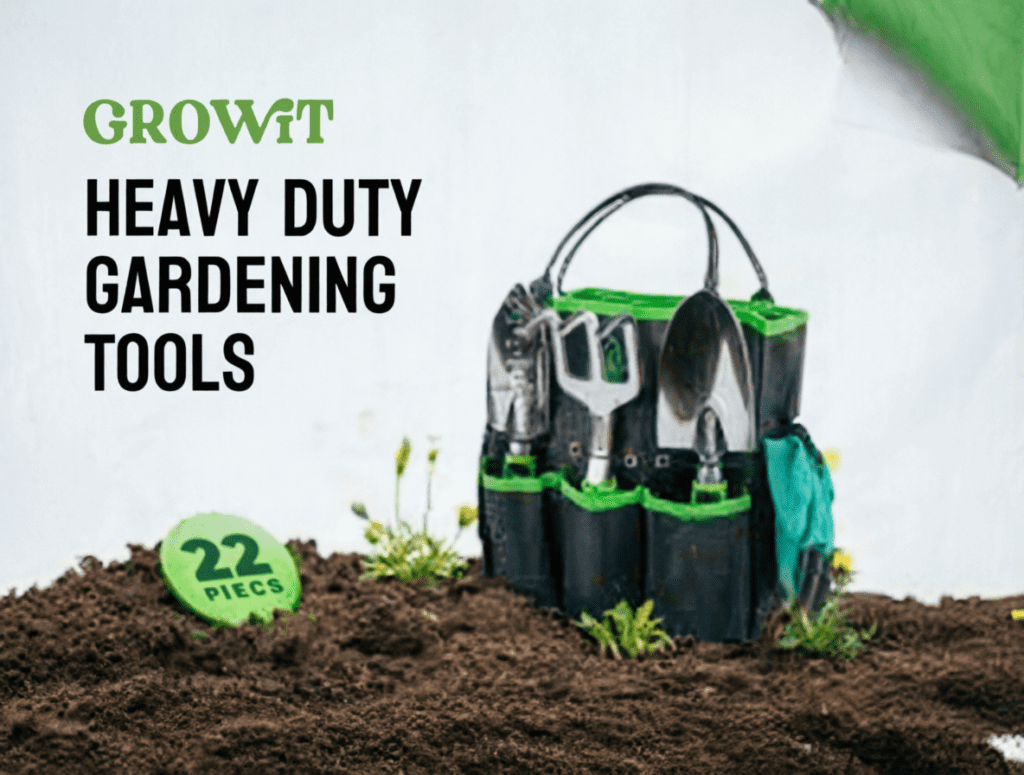
GROWIT Heavy Duty Gardening Tools – 23-Piece Gardening Gifts for Women, Men, Mom, Dad – Durable, Ergonomic Garden Tools Set
🔄 Step 4: Prevent Future Disasters
Once recovered, protect your plant:
- Water only when dry → Use the finger test (2–3 cm deep)
- Use self-watering pots → Only refill when reservoir is empty
- Add perlite → Improves drainage in any soil
- Label each plant → Include last water date and needs
🌿 Internal Link: Perfect Watering Indoor Plants: Avoid Root Rot
✅ Final Thought: Healing Begins With Letting Go
Saving an overwatered plant starts with one act:
👉 Stopping.
No more water.
No more fixing.
Just waiting. Breathing. Trusting.
Because sometimes, the most powerful care is restraint.
So let go.
Let the roots dry.
Let the plant heal.
And remember:
Even the strongest jungle begins with a single, steady breath.