How to Water Indoor Plants While on Vacation (No More Dead Plants)
You’ve been looking forward to this trip for months. The suitcase is packed, the plants have been watered — but as you turn off the kitchen light, a quiet worry creeps in: “Will my pothos survive three weeks without me?”
You’re not alone. For indoor gardeners, leaving home often means stress about thirsty leaves, dried-out soil, and coming back to a sad jungle of drooping greenery.
But it doesn’t have to be that way.
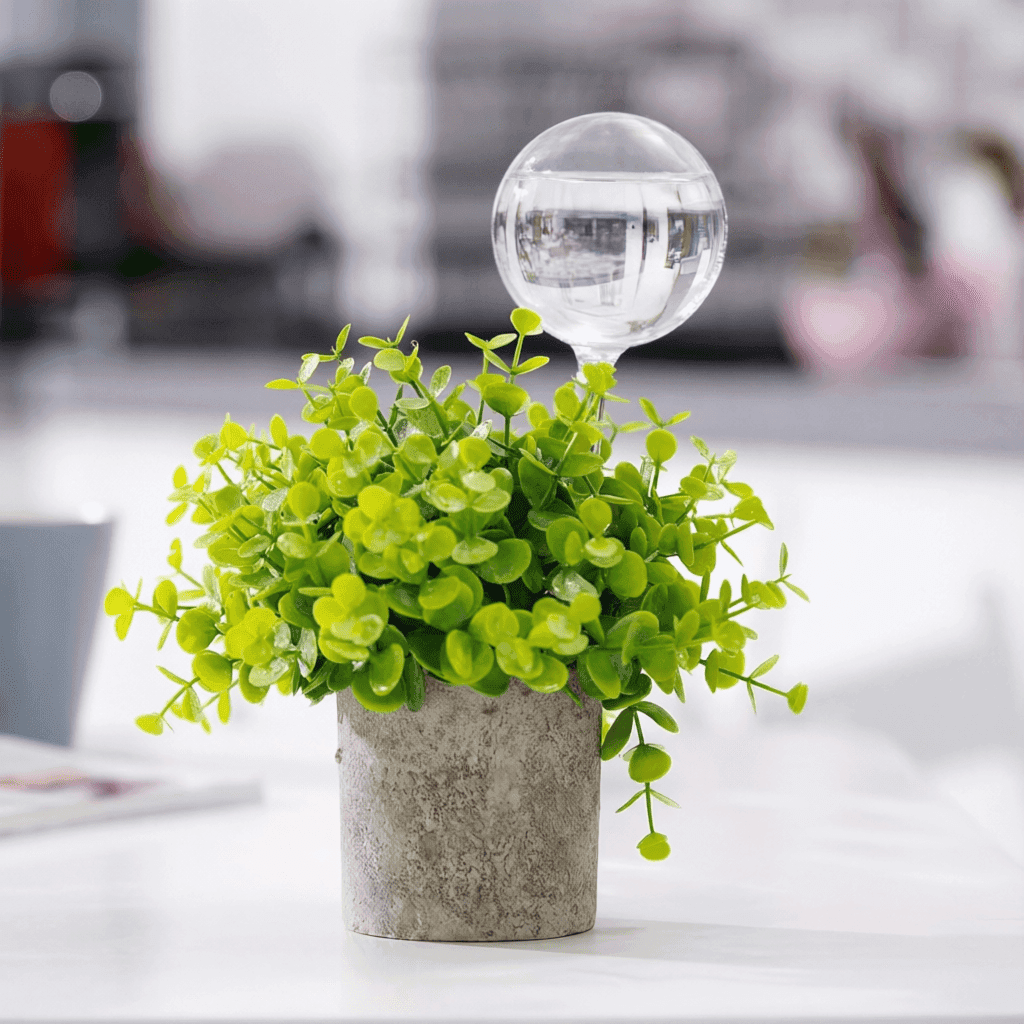
With a few smart, simple strategies, you can go away knowing your plants will thrive in your absence. Whether you’re gone for five days or five weeks, there’s a solution that fits your space, budget, and peace of mind.
In this guide, you’ll discover:
- Low-tech and high-tech watering methods
- How to prepare your plants before departure
- What to do if you have pets or no help
- Why consistency matters more than frequency
Because caring for your plants shouldn’t keep you from living.
💧 Why Most Indoor Plants Die When You Travel
The real enemy isn’t time — it’s inconsistency.
Plants don’t need daily attention, but they do need rhythm. A sudden shift — too dry, then overwatered by a guest — can shock even the toughest houseplant.
Most vacation-related plant deaths happen due to:
- Overwatering before leaving (“just in case”)
- No moisture replenishment during long absences
- Guests misjudging needs (e.g., watering succulents like ferns)
- Heat or cold exposure while you’re away
According to the Royal Horticultural Society, most indoor plants can survive 1–3 weeks without water, depending on size, pot, and environment. But beyond that, they need support.
The key? Choose a method that matches your timeline — not just your hopes.
🔗 Source: RHS – Plant Care During Absence
🏡 Prepare Your Plants Before You Leave
A little prep goes a long way.
1. Water Deeply — Then Wait
Two days before you leave, give all plants a thorough soak. Let excess drain completely. This creates a reservoir in the soil without drowning roots.
Avoid watering again right before leaving — wet soil + heat = mold risk.
2. Group Them Together
Place your plants close in one room, ideally with natural light but out of direct sun. Grouping increases humidity and reduces transpiration loss.
Move sensitive plants like calathea or ferns into bathrooms — naturally humid spaces.
3. Turn Off Fans & Vents
Close heating vents or fans near plants. Airflow dries them out faster.
If possible, set your thermostat to 65–75°F (18–24°C) — ideal for tropical species.
4. Clean Leaves & Saucers
Wipe dust from large leaves to improve photosynthesis. Empty saucers to prevent algae growth.
🛠️ Top 5 Ways to Water Plants While Away
Choose the method that fits your duration, budget, and comfort level.
1. The Water Bottle Trick (1–2 Weeks)
Perfect for short trips.
Fill a plastic bottle with water, flip it upside down, and gently push it into the soil (not touching roots). Gravity slowly releases moisture.
✅ Pros: Free, easy, works well for medium pots
❌ Cons: Can flood if soil is dense; not reliable beyond 10 days
📌 Best for: Snake plants, ZZ plants, spider plants
2. Wicking System (Up to 3 Weeks)
Uses capillary action to draw water from a reservoir.
- Use a cotton rope or yarn
- One end in the soil, other in a bucket of water
- Keep the bucket lower than the pot to avoid overflow
✅ Pros: Continuous supply, great for beginners
❌ Cons: Needs setup; risky if container spills
📌 Best for: Pothos, peace lilies, herbs
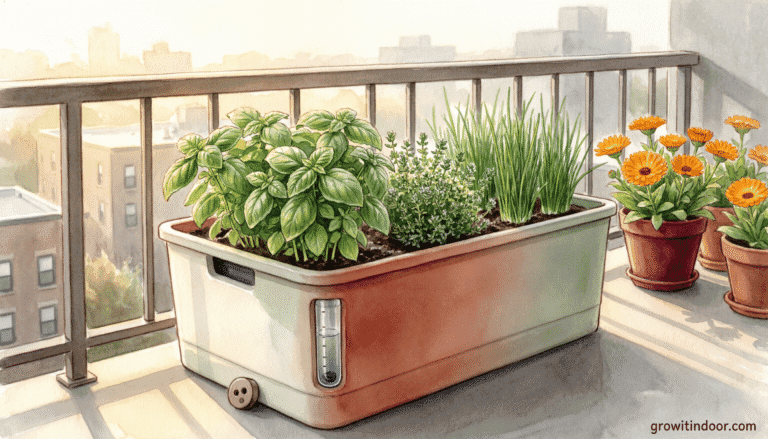
3. Self-Watering Pots (Up to 4 Weeks)
These pots have a built-in reservoir that feeds soil through a wick.
Many come with a water level indicator so you can fill up before leaving.
✅ Pros: Reliable, low maintenance, modern design
❌ Cons: Not all plants like constant moisture (avoid for succulents)
💡 Recommended: Lechuza Classico, Etsy ceramic self-watering pots
🌿 Internal Link: Best Self-Watering Pots for Busy Gardeners
4. Automated Drip System (Up to 6 Weeks)
Ideal for longer vacations.
Use an irrigation kit with timer connected to small drip lines.
- Set to release water every 3–7 days
- Adjust flow rate per plant
- Works with tap water or reservoir
✅ Pros: Fully automated, customizable
❌ Cons: Higher cost (~$50–$100), requires testing
📌 Best for: Balcony gardens, hydroponic setups, multiple plants
🔗 Source: University of Illinois Extension – Automated Irrigation for Home Use
5. Ask a Friend (Any Duration)
Sometimes, human care wins.
Give clear instructions:
- Which plants need water (and which don’t)
- How much (e.g., “Half a cup for the fiddle leaf”)
- When (once every 10–14 days)
Bonus: Offer to return the favor — builds community.
Avoid vague requests like “Just check on them.” Specificity saves lives.
❌ What NOT to Do
- Don’t place plants in bathtubs with standing water → root rot risk
- Don’t rely on pet water bowls → inconsistent and unsafe
- Don’t use sponges or paper towels → ineffective and messy
- Don’t assume “all plants need water” → cacti and succulents prefer drought
✅ Final Thought: Trust the Rhythm
Plants don’t live on schedules — they live on balance.
And sometimes, the best thing you can teach them — and yourself — is trust.
Trust your preparation.
Trust the system.
Trust that life continues, even when you’re not watching.
So pack your bag.
Close the door gently.
And let your plants breathe — while you do the same.
Because true care includes knowing when to step back.