Grow Your Own Herbal Tea Bar: The Summer Self-Care Ritual Everyone’s Trying
There’s a quiet revolution happening in kitchens and on balconies this summer. It’s not about complicated recipes or expensive wellness products. It’s simpler than that.
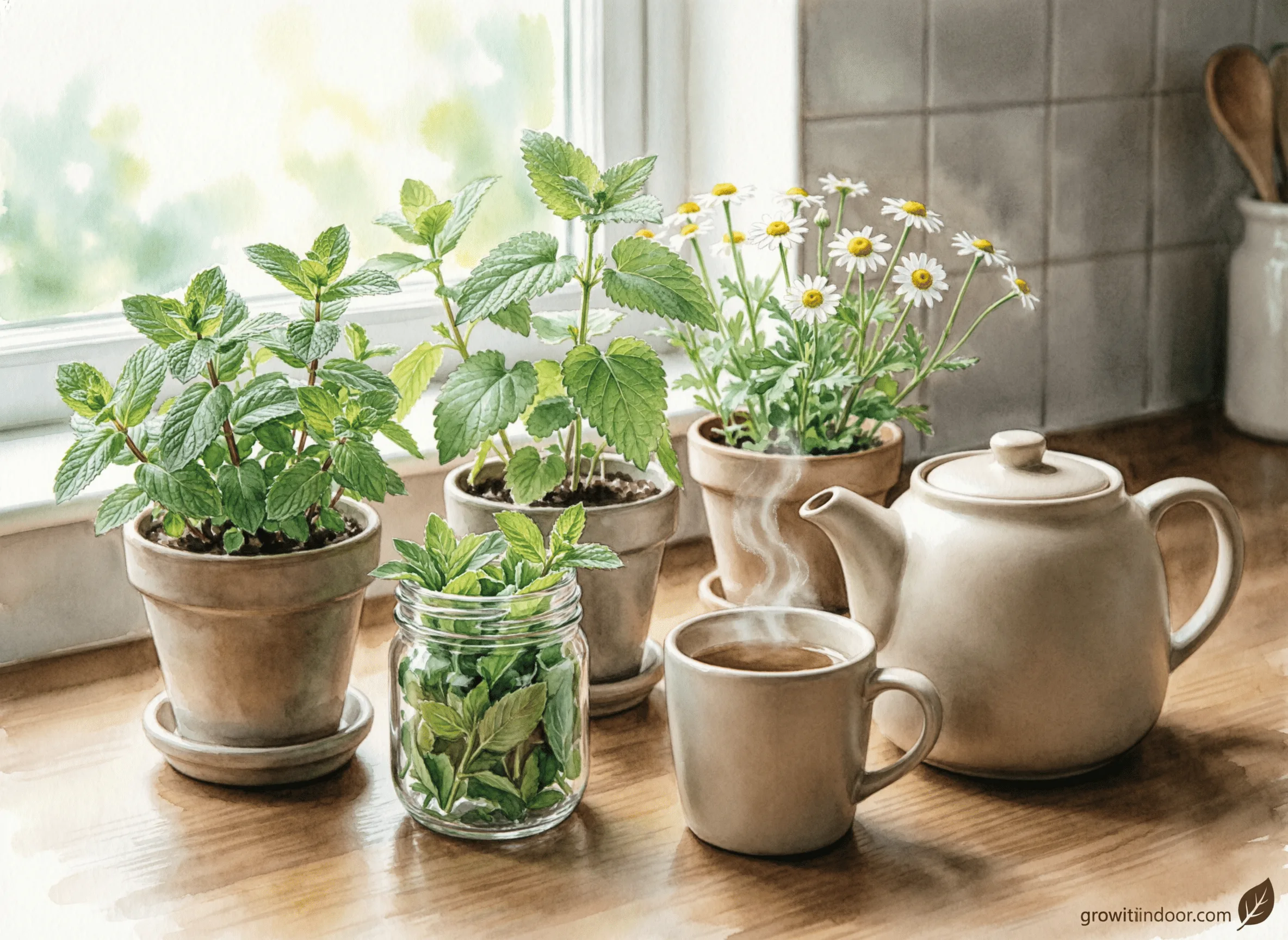
People are growing their own herbal tea gardens — small collections of mint, lemon balm, chamomile, and other calming plants that transform daily routines into mindful rituals.
This isn’t just about drinking tea. It’s about creating space for pause in a world that never stops. About connecting with something living before checking your phone. About taking three minutes to steep leaves you grew yourself, rather than reaching for another disposable pod.
In this guide, you’ll discover:
- The easiest herbs to grow indoors and on balconies
- How to create a simple tea station with what you already have
- Why this practice is becoming a self-care essential
- Gentle rituals to deepen your connection with each cup
Because sometimes, healing isn’t found in grand gestures.
It’s in the steam rising from a cup of homegrown mint.
🌱 Why Everyone’s Growing Their Own Tea Garden
After years of wellness trends that felt more like obligations than comforts, people are returning to simple, sensory rituals they can control.
According to Pinterest’s 2026 Wellness Report, searches for “grow herbal tea indoors” and “DIY tea garden” have increased by 82% since January.
But this movement goes deeper than trends.
It’s about:
- Reclaiming small moments in busy schedules
- Creating safety through predictable, gentle routines
- Connecting with cycles — planting, growing, harvesting
- Reducing waste from single-use tea bags
Most importantly, it’s accessible. You don’t need a yard, fancy equipment, or gardening expertise. Just a windowsill, a few pots, and the willingness to slow down for three minutes each day.
🔗 Source: Pinterest Wellness Report 2026 – Mindful Living Trends
🌿 The Easiest Herbs to Grow for Tea (Even for Beginners)
You don’t need a greenhouse to start. These five herbs thrive in small spaces with minimal care:
1. Mint
- Why it’s perfect: Grows almost too well — ideal for beginners
- Taste profile: Refreshing, cooling, slightly sweet
- Best for: Energy boost, digestion, afternoon reset
- Growing tip: Keep in its own pot (it spreads aggressively)
2. Lemon Balm
- Why it’s perfect: Calms nerves while lifting mood
- Taste profile: Citrusy, mild, slightly floral
- Best for: Evening wind-down, anxiety relief
- Growing tip: Pinch tips to encourage bushiness
3. Chamomile (Roman)
- Why it’s perfect: Gentle enough for children and pets
- Taste profile: Apple-like, floral, soothing
- Best for: Sleep preparation, stress relief
- Growing tip: Needs bright light; blooms in 8–10 weeks
4. Lavender
- Why it’s perfect: Beautiful scent, calming properties
- Taste profile: Floral, slightly sweet, delicate
- Best for: Deep relaxation, sleep support
- Growing tip: Prefers drier soil; don’t overwater
5. Holy Basil (Tulsi)
- Why it’s perfect: Adaptogenic properties for stress
- Taste profile: Spicy, clove-like, complex
- Best for: Mental clarity, immune support
- Growing tip: Thrives in warmth; needs 6+ hours of light
🌿 Internal Link: Pet-Safe Houseplants: Non-Toxic Plants for Cats & Dogs
🫖 Creating Your Herbal Tea Station
You don’t need a dedicated space. Start small:
1. The Container
- A windowsill shelf
- A corner of your kitchen counter
- A small balcony table
2. The Essentials
- 2–3 herb pots (4–6″ size)
- Small scissors or pruning shears
- A glass jar for fresh leaves
- A ceramic teapot or mug
- A small notebook for notes
3. The Ritual Setup
Place everything within arm’s reach:
- Herbs on the left
- Scissors and jar in the middle
- Teapot and mug on the right
- Notebook nearby for observations
This simple arrangement creates a dedicated space for your ritual — not just a collection of items.
☕ The 3-Minute Tea Ritual (That Changes Everything)
This isn’t about perfect brewing. It’s about presence.
Step 1: Harvest Mindfully
- Pick 3–5 fresh leaves (or a small sprig)
- Say thank you as you cut
- Notice the scent, texture, color
Step 2: Prepare with Intention
- Place leaves in your teapot or mug
- Pour hot (not boiling) water over them
- Set a timer for 3–5 minutes
Step 3: Wait Without Distraction
- Sit quietly while it steeps
- Watch the color change
- Breathe slowly
Step 4: Sip Slowly
- Feel the warmth
- Notice the flavor unfold
- Pause before reaching for your phone
This ritual works because it’s short enough to maintain, yet meaningful enough to matter.
🌼 Drying and Storing Your Harvest
When you have more than you can use fresh:
Air Drying Method
- Tie small bunches with string
- Hang upside down in a dark, dry place
- Wait 1–2 weeks until crisp
- Store in airtight jars away from light
Freezing Method
- Chop fresh leaves
- Place in ice cube trays with water
- Once frozen, transfer to labeled bags
- Drop a cube into hot water when needed
📌 Tip: Label with date and herb name — dried herbs last 6–12 months.
🌿 Internal Link: How to Save a Dying Houseplant: Emergency Care Guide
❌ What This Isn’t
- ❌ Not about having the “perfect” tea garden
- ❌ Not another task to check off your list
- ❌ Not something you must do every day
It’s about creating space for yourself — not adding pressure.
Some days, you’ll harvest and brew.
Other days, you’ll just sit with the plants.
Both are enough.
✅ Final Thought: Healing Grows in Small Moments
We often believe healing requires grand gestures — expensive retreats, dramatic changes, perfect conditions.
But real healing happens in the quiet moments between everything else.
In the steam rising from a cup of homegrown mint.
In the scent of lemon balm as you pinch a leaf.
In the three minutes when you choose presence over productivity.
So this summer, don’t reach for another solution.
Reach for the leaves growing quietly on your windowsill.
Because sometimes, the most powerful medicine isn’t found in a bottle.
It’s growing right where you are.