
Nursery to Your Garden: The Right Way to Replant Organic Plants
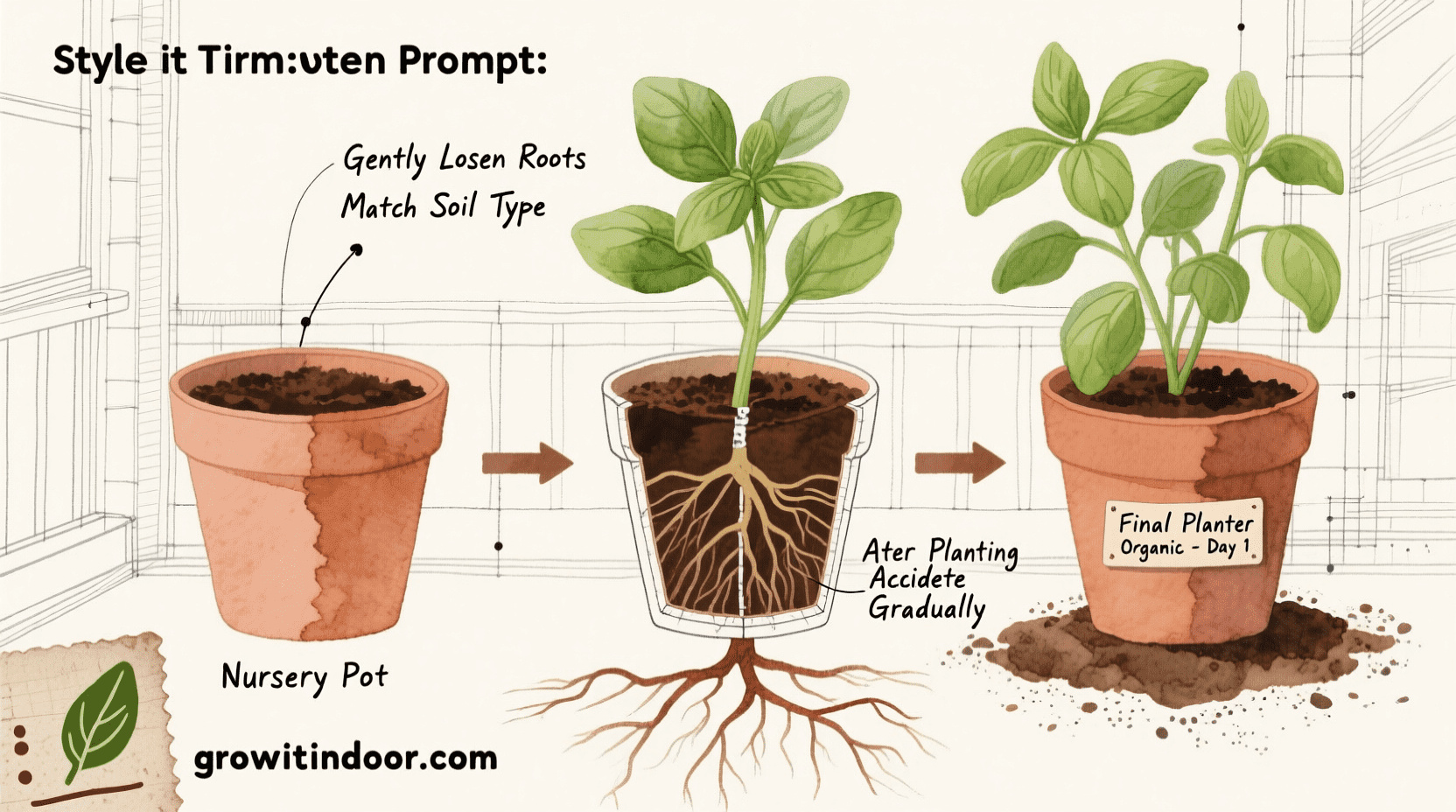
There’s a quiet magic in holding a young plant in your hands—its leaves still tender, its roots wrapped in a small pot, full of promise. You bought it from the nursery with hope: this will be the tomato that tastes like childhood, the basil that perfumes your kitchen, the pepper that thrives all summer long.
But too often, that hope fades. The plant wilts. Its leaves yellow. It never really settles in.
What went wrong? It wasn’t the plant. It was the transition.
Because moving an organic plant from the nursery to your garden isn’t just about digging a hole and dropping it in. It’s a delicate process—one that respects the plant’s biology, your soil, and the rhythm of the seasons.
In this guide, I’ll walk you through the **right way to replant organic plants**, step by step. No guesswork. No wasted effort. Just clear, gentle, proven methods that help your plants not just survive—but thrive.
📚 Table of Contents
- Why Transplanting Matters More Than You Think
- Choosing Healthy Organic Plants at the Nursery
- The Best Time to Transplant: Aligning with Nature
- Preparing Your Garden Bed for Success
- Hardening Off: The Critical Step Most Gardeners Skip
- Step-by-Step: How to Replant Organic Plants Correctly
- 5 Common Transplanting Mistakes (and How to Avoid Them)
- Aftercare: Helping Your Plants Settle In
- Organic Support: Natural Boosters for Strong Roots
- FAQ: Your Top Questions Answered
Why Transplanting Matters More Than You Think
You might think transplanting is just a formality—move the plant, water it, and done. But in reality, it’s one of the most stressful events in a plant’s life.
Imagine this: your plant has spent weeks in a controlled environment. The light, temperature, and moisture are perfect. Then, suddenly, it’s pulled from its pot and dropped into an unfamiliar world—wind, sun, pests, and unknown soil.
Without proper care, this shock can stunt growth, invite disease, or even kill the plant.
That’s why **transplanting isn’t just a task—it’s an act of stewardship**. When done right, it sets the foundation for a healthy, productive season.
And if you’re growing organically, this step is even more crucial. Without synthetic fertilizers or pesticides to rescue struggling plants, every decision counts.
Choosing Healthy Organic Plants at the Nursery
The journey begins before you even get home. Not all nursery plants are created equal—especially when growing organically.
Here’s how to pick the strongest, healthiest starts:
- Look for vibrant, deep green leaves—avoid yellowing, spots, or holes (signs of pests or disease).
- Check the root system: gently slide the plant out of its pot. Roots should be white or light tan, not brown or mushy. If they’re circling tightly, the plant is root-bound and may struggle to adapt.
- Smell the soil: it should earthy and fresh, not sour or moldy.
- Avoid flowering or fruiting plants if possible. They’ve already invested energy into reproduction. Choose younger plants that will focus on root and leaf growth after transplanting.
- Ask about growing practices: Are they grown in organic soil? Were synthetic growth boosters used? Look for certifications like “USDA Organic” or “OMRI Listed.”
Remember, a small, healthy plant will outgrow a large, stressed one every time.
The Best Time to Transplant: Aligning with Nature
Timing is everything. Plant too early, and frost can kill tender greens. Too late, and heat stress weakens your seedlings.
Here’s how to get it right:
1. Know Your Frost Dates
Check your local last spring frost date (you can use USDA Plant Hardiness Zone Map). Most warm-season plants (tomatoes, peppers, basil) should be planted 1–2 weeks after this date.
2. Match Plants to Seasons
| Cool-Season Crops | Warm-Season Crops |
|---|---|
| Lettuce, spinach, kale, broccoli | Tomatoes, peppers, cucumbers, basil |
| Plant 2–4 weeks before last frost | Plant 1–2 weeks after last frost |
3. Choose the Right Time of Day
Always transplant in the **late afternoon or on a cloudy day**. This gives your plant time to recover before facing full sun.
Preparing Your Garden Bed for Success
A healthy plant needs healthy soil. Before you transplant, prepare the ground like you’re welcoming a guest.
- Clear the area of weeds, debris, and old mulch.
- Loosen the soil to a depth of 8–12 inches. Use a garden fork to avoid disturbing beneficial microbes.
- Amend with compost (3–4 inches) and mix gently. Avoid synthetic fertilizers—even “organic” ones can burn young roots.
- Check drainage: dig a hole, fill it with water. If it drains in 1–2 hours, you’re good. If not, add sand or raised beds.
- Mark your spacing: use a stick or string to space plants correctly. Crowding leads to disease and poor air circulation.
Your soil should feel crumbly, moist, and alive—not compacted or dusty.
Hardening Off: The Critical Step Most Gardeners Skip
This is the #1 reason transplants fail: they’re not hardened off.
Hardening off means gradually exposing indoor or greenhouse-grown plants to outdoor conditions over 7–10 days.
Without it, your plant goes from comfort to chaos—and often doesn’t recover.
How to Harden Off Properly:
- Day 1–2: Place plants outside in a shaded, sheltered spot for 2–3 hours.
- Day 3–4: Increase to 4–5 hours, with a little morning sun.
- Day 5–7: Leave out all day, but bring in at night if frost is possible.
- Day 8–10: Leave out overnight if temperatures stay above 50°F (10°C).
If leaves wilt, don’t panic—just move them to shade and water lightly. This process builds resilience.
🌿 Tip: Don’t skip this—even if the weather looks perfect. Your plants aren’t ready yet.
Step-by-Step: How to Replant Organic Plants Correctly
Now, the moment of truth. Follow these steps for a smooth, stress-free transplant:
Step 1: Water the Plant
Water the nursery pot thoroughly 1–2 hours before transplanting. A hydrated plant handles stress better.
Step 2: Dig the Hole
Dig a hole twice as wide as the root ball, but no deeper. You want the plant at the same soil level as in the pot.
Step 3: Loosen the Roots
Gently tease out the roots, especially if they’re circling. This encourages them to grow outward into your garden soil.
Step 4: Place and Fill
Set the plant in the hole. Backfill with native soil—don’t use potting mix. Lightly firm the soil around the base.
Step 5: Water Deeply
Give a slow, deep watering to settle the soil and eliminate air pockets. Use a watering can or drip hose.
Step 6: Mulch Lightly
Add 1–2 inches of organic mulch (straw, shredded leaves) to retain moisture and suppress weeds. Keep mulch 1 inch away from the stem to prevent rot.
💧 Pro tip: For tomatoes and peppers, plant them deeper than they were in the pot. Bury up to 2/3 of the stem—it will grow new roots along the buried portion.
5 Common Transplanting Mistakes (and How to Avoid Them)
Even experienced gardeners make these errors. Here’s how to dodge them:
- Planting too deep or too shallow: Always match the original soil line. Too deep = rot. Too shallow = drying roots.
- Over-fertilizing at transplant: Young roots are sensitive. Wait 2–3 weeks before adding compost tea or fish emulsion.
- Ignoring wind exposure: Use temporary windbreaks (burlap, stakes) if your garden is exposed.
- Watering too much or too little: Keep soil consistently moist, not soggy. Stick your finger 1 inch down—if dry, water.
- Forgetting to label: Use plant markers. You’ll thank yourself in 6 weeks.
Aftercare: Helping Your Plants Settle In
The first 7–10 days are critical. Your plant is establishing roots and adjusting to its new home.
Here’s how to support it:
- Water daily for the first week, then taper off as roots grow.
- Watch for signs of stress: drooping leaves (normal for 1–2 days), yellowing (overwatering), browning (sunburn).
- Shade if needed: Use a row cover or shade cloth during heatwaves.
- No harvesting yet: Let the plant focus on growth. Wait at least 2–3 weeks before picking leaves or fruit.
After 10 days, if the plant is perking up and producing new leaves, it’s established.
Organic Support: Natural Boosters for Strong Roots
Give your plants a natural edge with these organic helpers:
| Booster | How to Use | Best For |
|---|---|---|
| Compost tea | Water soil every 2 weeks | All plants |
| Seaweed extract | Spray leaves or water roots | Stress recovery |
| Mycorrhizal fungi | Apply to roots at transplant | Tomatoes, peppers, squash |
| Crushed eggshells | Mix into soil | Prevent blossom end rot |
These aren’t quick fixes—they build long-term soil health and plant resilience.
FAQ: Your Top Questions Answered
Q: Can I transplant on a sunny day?
A: It’s not ideal. Always choose late afternoon or a cloudy day to reduce stress.
Q: How deep should I plant tomatoes?
A: Bury up to 2/3 of the stem. It will grow new roots and become stronger.
Q: Should I remove flowers or fruit before transplanting?
A: Yes. It helps the plant focus energy on root development.
Q: How often should I water after transplanting?
A: Daily for the first week, then every 2–3 days depending on weather and soil.
Q: Can I grow organic plants in containers?
A: Absolutely. Use organic potting mix and ensure good drainage.
Q: What if my plant wilts after transplanting?
A: It’s normal for 1–2 days. Keep soil moist and provide shade if needed.
Q: How do I know when a plant is established?
A: New growth, firm stems, and no drooping after a few days mean it’s settled in.
Transplanting isn’t just a step in gardening—it’s a moment of trust between you and your plant.
When you take the time to do it right—choosing well, preparing carefully, and nurturing gently—you’re not just growing food. You’re growing connection. Resilience. Life.
So the next time you hold that small pot in your hands, remember: you’re not just moving a plant. You’re welcoming it home.
If this guide helped you, share it with a fellow gardener. And tell us in the comments: what’s the first plant you’re transplanting this season? 🌱




Your article helped me a lot, is there any more related content? Thanks!
Thanks for sharing. I read many of your blog posts, cool, your blog is very good.
Your point of view caught my eye and was very interesting. Thanks. I have a question for you. https://accounts.binance.com/ar-BH/register?ref=S5H7X3LP
Your point of view caught my eye and was very interesting. Thanks. I have a question for you.
Your point of view caught my eye and was very interesting. Thanks. I have a question for you.
Can you be more specific about the content of your article? After reading it, I still have some doubts. Hope you can help me.
Thanks for sharing. I read many of your blog posts, cool, your blog is very good.
Your point of view caught my eye and was very interesting. Thanks. I have a question for you. https://www.binance.com/hu/register?ref=IQY5TET4
Your article helped me a lot, is there any more related content? Thanks!
Thanks for sharing. I read many of your blog posts, cool, your blog is very good. https://accounts.binance.com/ro/register?ref=HX1JLA6Z
Your point of view caught my eye and was very interesting. Thanks. I have a question for you. https://www.binance.info/register?ref=JW3W4Y3A
Can you be more specific about the content of your article? After reading it, I still have some doubts. Hope you can help me.