The 2026 Urban Gardener’s Calendar: What to Plant Each Month (Printable!)
As the year begins, many urban gardeners feel a quiet excitement — not just for fresh starts, but for fresh greens. The days are still short, the air cold, but beneath the surface, life is stirring.
With a little planning, you can grow food, herbs, and flowers all year round, even in a small apartment or on a tiny balcony.
This 2026 Urban Gardener’s Calendar gives you a month-by-month guide to indoor and outdoor gardening in tight spaces. Whether you’re growing under LED lights or catching winter sun on your windowsill, this plan helps you stay organized, productive, and inspired.
In this guide, you’ll get:
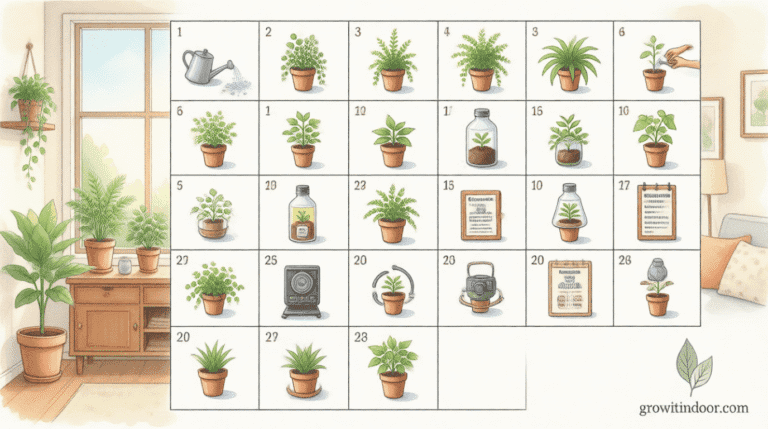
- A printable monthly checklist
- What to plant, prune, and propagate each month
- Tips for light, humidity, and pest control by season
- Smart routines that fit busy city lives
No green thumb required. Just consistency, care, and a little bit of joy.
Let’s make 2026 your most fruitful year yet.
🗓️ Why You Need a Gardening Calendar (Even in an Apartment)
Urban gardening isn’t like traditional farming — you don’t have fields or seasons dictating your rhythm. Instead, you rely on artificial light, microclimates, and creativity.
But without structure, it’s easy to forget when to start seeds, trim herbs, or refresh soil.
A seasonal calendar brings order to the chaos. It turns gardening from a sporadic chore into a sustainable habit.
And according to the Royal Horticultural Society, gardeners who follow a planting schedule report higher success rates and greater satisfaction.
So whether you’re growing basil on a kitchen counter or strawberries on a fire escape, this 2026 calendar will keep you on track.
📆 The 2026 Urban Gardener’s Monthly Guide
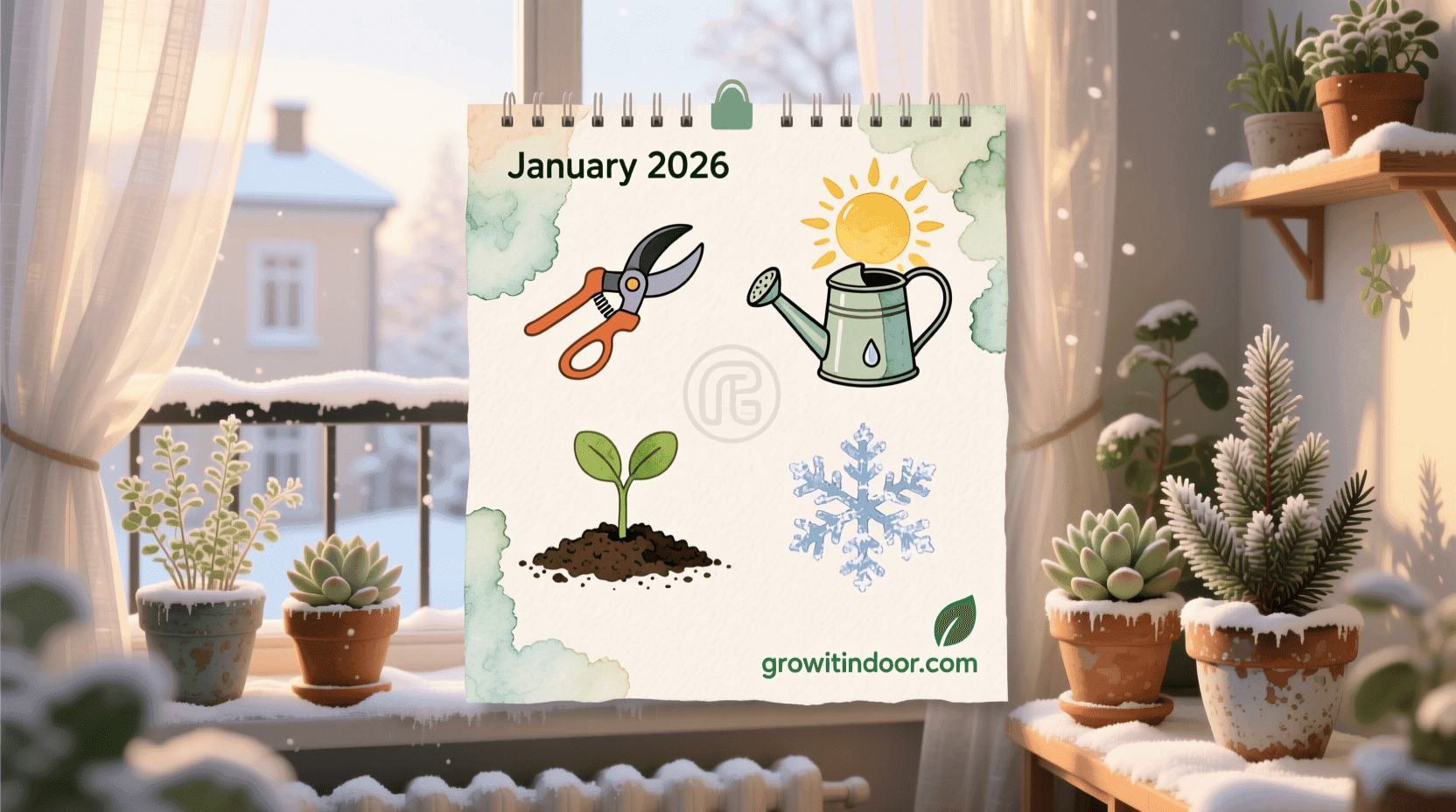
January – Reset & Prepare
Start the year with clarity.
- ✅ Wipe down all leaves to remove dust
- ✅ Refresh top layer of soil
- ✅ Test pH and EC if using hydroponics
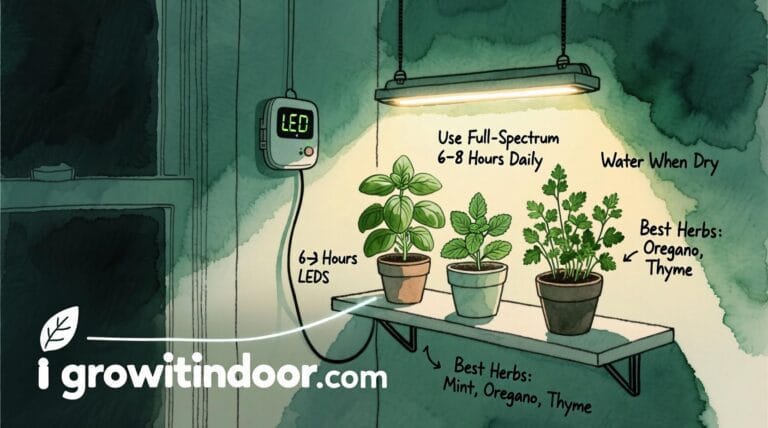
- ✅ Start chives, parsley, and lettuce indoors under LED lights
- ✅ Plan your balcony layout for spring
📌 Tip: Use this month to label unnamed plants and declutter.
🔗 Source: RHS – Planning Your Indoor Garden
February – Begin Seed Starting
Light levels increase — time to sow!
- ✅ Sow dwarf tomatoes, peppers, and eggplants in trays
- ✅ Use a heat mat for germination (ideal: 70–80°F)
- ✅ Keep seedlings under full-spectrum LED (14–16 hrs/day)
- ✅ Check for fungus gnats in moist soil
- ✅ Propagate pothos and spider plants in water
📌 Tip: Place seed trays near a south-facing window for extra natural light.
March – Light & Growth
Spring energy arrives.
- ✅ Increase watering as days lengthen
- ✅ Rotate all pots weekly for even growth
- ✅ Fertilize leafy greens every 3 weeks
- ✅ Move cold-hardy herbs (cilantro, dill) to balcony if frost risk is low
- ✅ Prune leggy houseplants to encourage bushiness
📌 Watch for aphids on new growth — wipe with soapy cloth.
April – Transition Outdoors
Time to move some plants outside — carefully.
- ✅ Harden off balcony plants over 7–10 days
- ✅ Plant radishes, spinach, and lettuce in containers
- ✅ Hang strawberry baskets on railings
- ✅ Install windbreaks if needed
- ✅ Clean and disinfect old pots before reuse
📌 Avoid sudden temperature drops — bring pots inside at night if below 40°F.
May – Peak Growing Season Begins
Your garden should be thriving now.
- ✅ Harvest first cuttings of basil, mint, and chives
- ✅ Support climbing beans and peas with trellises
- ✅ Deadhead flowers to prolong blooming
- ✅ Monitor humidity — use pebble trays if dry
- ✅ Share cuttings with neighbors or online groups
📌 Tip: Take a “garden selfie” to document progress.
June – Enjoy the Abundance
Harvest mode activated.
- ✅ Pick cherry tomatoes, cucumbers, and zucchini
- ✅ Dry or freeze excess herbs
- ✅ Mulch balcony containers to retain moisture
- ✅ Watch for spider mites in hot weather
- ✅ Set up automatic watering for vacation prep
📌 Use shade cloth if temps exceed 90°F — prevents scorching.
July – Maintenance & Observation
Stay consistent in summer heat.
- ✅ Water early morning or late evening
- ✅ Mist tropical plants during heatwaves
- ✅ Remove yellowed or diseased leaves
- ✅ Train vining plants upward to save space
- ✅ Check irrigation systems weekly
📌 Group plants together to create a cooler microclimate.
August – Prepare for Fall
Shift focus from harvest to renewal.
- ✅ Sow fall crops: kale, Swiss chard, arugula
- ✅ Collect seeds from healthy plants
- ✅ Divide overcrowded herbs (mint, oregano)
- ✅ Clean tools and labels
- ✅ Inspect for pests before bringing plants indoors
📌 Start acclimating indoor plants to lower light gradually.
September – Bring It Back Inside
The transition back indoors begins.
- ✅ Repot fast-growing plants before winter
- ✅ Treat all outdoor plants for pests (neem oil dip)
- ✅ Reduce fertilizing as light decreases
- ✅ Move citrus and tender herbs inside
- ✅ Update your indoor layout for optimal light
📌 Quarantine new indoor arrivals for 1 week to prevent infestations.
October – Slow Down & Reflect
Gardening slows — but learning grows.
- ✅ Take photos of your seasonal progress
- ✅ Journal what worked (and what didn’t)
- ✅ Order seeds for next year
- ✅ Repair or replace damaged containers
- ✅ Start amaryllis or paperwhites for holiday blooms
📌 Try a gratitude list: one thing your garden gave you this year.
November – Rest & Recharge
Let your garden — and yourself — rest.
- ✅ Reduce watering frequency
- ✅ Stop fertilizing most plants
- ✅ Enjoy evergreen foliage and slow growers (ZZ, snake plant)
- ✅ Use grow lights for any edibles still producing
- ✅ Plan 2027 garden layout on paper
📌 Accept dormancy — it’s part of the cycle.
December – Celebrate & Connect
End the year with warmth and wonder.
- ✅ Grow wheatgrass for juicing or pet treats
- ✅ Decorate with potted amaryllis or rosemary trees
- ✅ Gift herb kits or propagated cuttings
- ✅ Join an online gardening challenge
- ✅ Review your 2026 harvest log
📌 Write a short note: “What did my garden teach me this year?”
✅ Printable 2026 Urban Gardener’s Checklist
| Month | Key Tasks |
|---|---|
| Jan | Clean leaves, refresh soil, start seeds |
| Feb | Seed starting, propagate, check roots |
| Mar | Fertilize, rotate, prune |
| Apr | Harden off, plant outdoors, wind protection |
| May | Harvest herbs, support climbers, share cuttings |
| Jun | Pick vegetables, mulch, prepare for travel |
| Jul | Water wisely, mist, inspect daily |
| Aug | Sow fall greens, collect seeds, divide |
| Sep | Pest treatment, repot, reorganize indoors |
| Oct | Reflect, journal, order seeds |
| Nov | Rest, reduce care, plan ahead |
| Dec | Celebrate, gift, review year |
📥 Download PDF version → [Link to be added]
💡 Pro Tips for Sticking With It
- Set monthly reminders in your phone or calendar app.
- Pair gardening with a habit (e.g., water plants after brushing teeth).
- Take one photo per month — visual progress is motivating.
- Join a local or online group for accountability and inspiration.
🌱 Final Thought: Your Garden Grows With You
A calendar doesn’t just tell you what to do — it shows you how far you’ve come.
Each checked box, each new leaf, each harvested sprig of thyme is proof that you showed up.
In 2026, may your garden be more than a hobby. May it be a companion, a teacher, and a quiet celebration of growth — yours and nature’s.