Can You Grow Tomatoes Indoors Year-Round? Yes — Here’s How
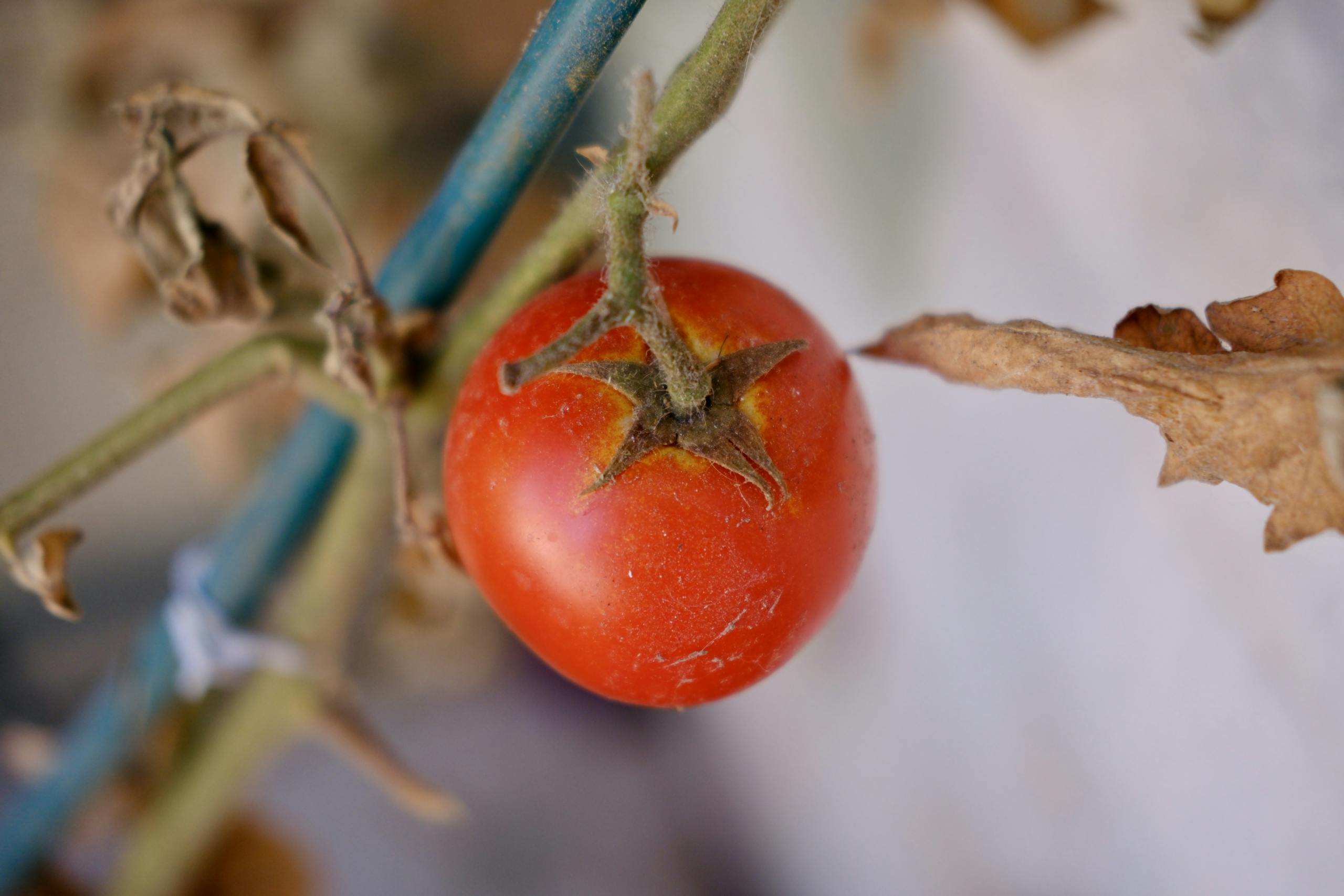
Tomatoes don’t belong only on sunny balconies or summer gardens. With the right setup, you can enjoy fresh cherry tomatoes — even in December.
Yes, you can grow tomatoes indoors year-round, and not just as a novelty. Whether you’re harvesting juicy Sun Golds or compact Micro Tom varieties, indoor tomato growing is becoming a favorite among urban gardeners who want flavor, freshness, and control over their food.
In this guide, you’ll discover:
- The best dwarf tomato varieties for small spaces
- How to set up your indoor tomato station (light, pollination, watering)
- Why most people fail — and how to avoid those mistakes
- Realistic yields and timeline expectations
No greenhouse needed. No backyard required.
Let’s bring summer inside — all year long.
🍅 Why Indoor Tomato Growing Is Possible (And Worth It)
For years, tomatoes were considered too demanding for indoor life: they need full sun, warm days, cool nights, and space.
But advances in compact plant breeding and LED lighting technology have changed everything.
According to researchers at Cornell University Cooperative Extension, modern dwarf and micro-tomato cultivars are specifically designed for container growing — some reaching only 8–12 inches tall.
Combine that with affordable full-spectrum LED lights, and you’ve got a recipe for success — even in a studio apartment.
Benefits of growing indoors:
- No pests like aphids or hornworms
- Controlled environment → fewer diseases
- Extended harvest season → pick ripe fruit every week
- Safe from weather extremes → no cracking after rain
🔗 Source: Cornell Cooperative Extension – Container Vegetable Gardening
🌱 Best Tomato Varieties for Indoor Growing
Not all tomatoes thrive indoors. Choose dwarf, self-pollinating, fast-maturing types.
Top 5 Indoor-Friendly Tomatoes:
| Variety | Type | Days to Harvest | Size | Flavor |
|---|---|---|---|---|
| Micro Tom | Dwarf | 42–50 | 6–8” | Sweet, classic tomato taste |
| Tiny Tim | Compact | 60–70 | 10–12” | Juicy red cherries |
| Patio Princess | Bush | 70+ | 12–18” | High yield, disease-resistant |
| Red Robin | Mini Cherry | 65 | 12” | Trailing habit, great in hanging pots |
| Balcony Hybrid | Self-watering pot compatible | 70 | 14” | Developed for urban growers |
📌 Tip: Start seeds in late winter (February–March) for spring harvests. Or grow continuously under LEDs.
☀️ Step 1: Provide Enough Light
This is the #1 reason indoor tomatoes fail: insufficient light.
Outdoor tomatoes get 8–10 hours of direct sun. Indoors, you must replicate that intensity.
Use Full-Spectrum LED Grow Lights
- Look for 5000K–6500K white spectrum (mimics daylight)
- Run 14–16 hours per day
- Hang lights 6–12 inches above canopy
- Use a timer plug for consistency
💡 Recommended budget option: Roleadro 6000K LED Strip Light (~$25 for 24”)
Ideal for one or two plants.
🔗 Source: University of Vermont Extension – Lighting for Indoor Vegetables
💧 Step 2: Water Smartly
Tomatoes are sensitive to both drought and overwatering.
Follow these rules:
- Water when top inch of soil feels dry
- Avoid wetting leaves — increases fungal risk
- Use bottom watering or drip method
- Let excess drain out — never let roots sit in water
🌱 Best Soil Mix:
- 2 parts organic potting soil
- 1 part perlite or coco coir
- Add slow-release fertilizer (e.g., Osmocote)
Use a pot with drainage holes — 6–8 inches wide for dwarf varieties.
🌿 Internal Link: Perfect Watering Indoor Plants: Avoid Root Rot
🐝 Step 3: Pollinate by Hand
No bees indoors?
You’ll need to pollinate flowers yourself.
It’s easy:
- Wait until flower opens fully (yellow petals spread)
- Gently shake the stem each morning
- Or use a small paintbrush to transfer pollen between flowers
Do this every 2–3 days while blooming.
✅ Success sign: Tiny green fruit appears within 3–5 days.
🌡️ Step 4: Maintain Ideal Conditions
Create a stable microclimate:
- Temperature: 65–80°F (18–27°C)
- Humidity: 50–60% (use pebble tray if dry)
- Airflow: Gentle fan nearby to strengthen stems
Avoid placing near cold drafts or heating vents.
🛠️ Advanced Tips for Healthier Plants
- Pinch side shoots (suckers) below fruit clusters to focus energy
- Stake early — use a bamboo stick or trellis clip
- Harvest regularly — encourages more flowering
- Feed weekly with liquid tomato fertilizer (low nitrogen, high potassium)
Pro Tip: Rotate pot weekly so all sides get equal light.
❌ Common Mistakes That Kill Indoor Tomatoes
- Starting Too Early Without Extra Light
→ Leggy, weak seedlings. Fix: Only start when using LED. - Using Regular Potting Soil Without Drainage
→ Compacted soil leads to root rot. Fix: Add perlite. - Overhead Watering
→ Wets foliage → invites mold. Fix: Water soil directly. - Ignoring Air Circulation
→ Stagnant air = powdery mildew. Fix: Use a small oscillating fan. - Waiting Too Long to Harvest
→ Overripe fruit signals plant to stop producing. Pick when bright color appears.
🔗 Source: American Phytopathological Society – Powdery Mildew in Controlled Environments
📆 Realistic Timeline: From Seed to Harvest
| Week | Action |
|---|---|
| 1–2 | Sow seeds indoors under LED light |
| 3–4 | Thin seedlings; keep strongest |
| 5–6 | Transplant to larger pot |
| 7–9 | Begin hand pollination when flowers appear |
| 10–12 | First fruits form |
| 12–14 | Begin harvesting ripe tomatoes |
📌 Note: After 3–4 months, productivity slows. Replace with new seedling for continuous harvest.
✅ Printable Indoor Tomato Care Checklist
| Task | Done? |
|---|---|
| Sow seeds under LED light | ☐ |
| Thin to one strong seedling | ☐ |
| Transplant to final pot | ☐ |
| Set up grow light with timer | ☐ |
| Begin hand pollination | ☐ |
| Fertilize weekly | ☐ |
| Harvest first ripe tomato | ☐ |
📥 Download PDF version → [Link to be added]
🌿 Final Thought: Summer Never Ends When You Grow It Yourself
There’s something magical about biting into a sun-warmed tomato…
even if “sun” comes from an LED bulb.
Growing tomatoes indoors isn’t just about food.
It’s about reclaiming rhythm. About tending to life in the quietest corners of our homes.
So yes — you can grow tomatoes indoors year-round.
And maybe, just maybe, your next salad will come not from a store…
but from your own kitchen counter.