
Hydroponics for Beginners: Grow Faster, Cleaner Plants Without Soil
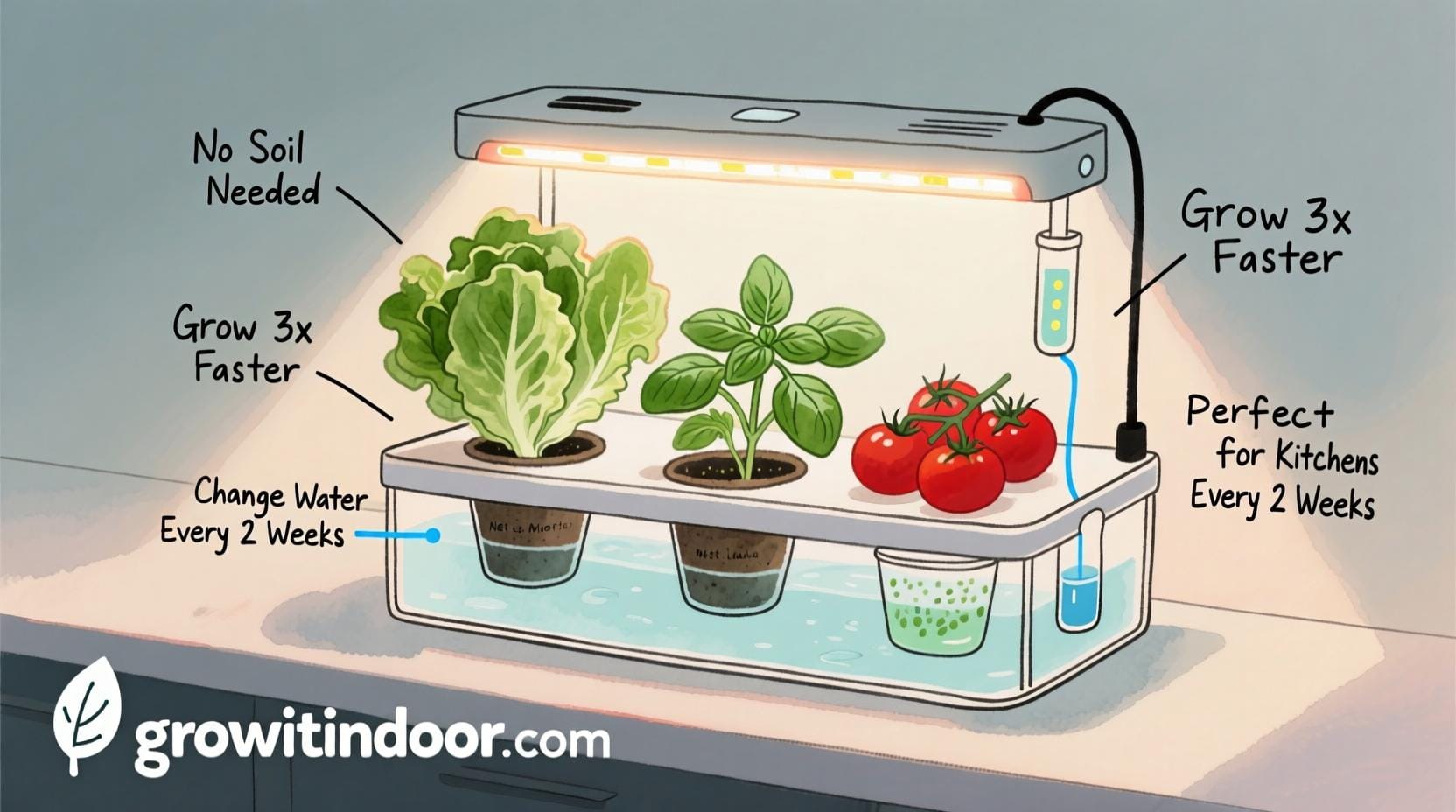
Imagine growing crisp lettuce, fragrant basil, or juicy cherry tomatoes—without dirt, weeds, or heavy watering. Welcome to the future of gardening: hydroponics for beginners .
Hydroponics is a method of cultivating plants using nutrient-enriched water instead of soil. Roots are supported by inert media like rockwool, clay pebbles, or coco coir, while essential minerals are delivered directly to them. The result? Faster growth, higher yields, and cleaner, more sustainable produce.
Whether you’re in an apartment, basement, or urban loft, soil-free gardening opens up exciting possibilities for year-round growing. In this detailed guide, you’ll learn how hydroponics works, the easiest indoor hydroponic systems , and how to build a simple DIY hydroponics setup —even with zero experience.
What Is Hydroponics? A Beginner’s Overview
At its core, hydroponics replaces soil with a controlled environment where plants receive exactly what they need: water, oxygen, nutrients, and light.
Without the struggle to seek nutrients through soil, plants focus energy on leaf and fruit production—leading to growth rates up to 50% faster than traditional gardening.
NASA has used hydroponics in space missions, and commercial farms rely on it for efficient crop production. But today, thanks to affordable kits and online resources, hydroponics for beginners is more accessible than ever.
Types of Indoor Hydroponic Systems for New Gardeners
There are several types of hydroponic setups. Here are the most beginner-friendly:
1. Deep Water Culture (DWC)
Roots hang directly in oxygenated nutrient solution. An air pump keeps water aerated.
✅ Pros: Simple, inexpensive, great for leafy greens
❌ Cons: Requires electricity; not ideal for large plants
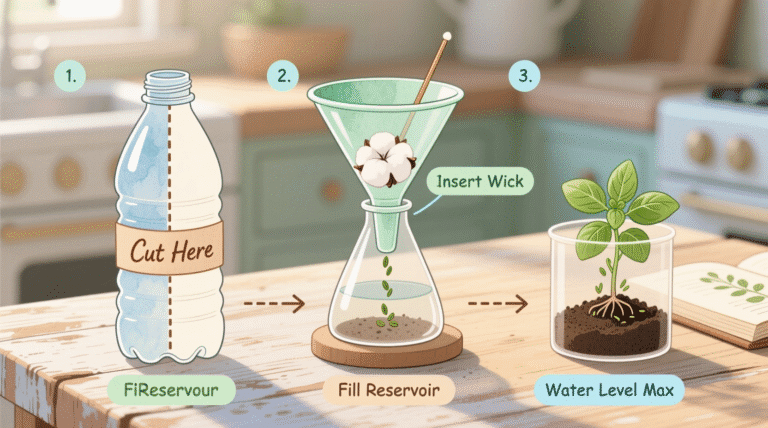
2. Wick System
Passive system using cotton or rope wicks to draw nutrients from reservoir to roots.
✅ Pros: No pumps or electricity needed
❌ Cons: Slow delivery; best for small, low-demand plants
3. Nutrient Film Technique (NFT)
A thin stream of nutrient solution flows continuously over roots in sloped channels.
✅ Pros: Efficient, scalable
❌ Cons: Pump failure risks drying roots quickly
4. Ebb and Flow (Flood and Drain)
Trays are periodically flooded with nutrients, then drained.
✅ Pros: Versatile, supports diverse plants
❌ Cons: Needs timer and pump
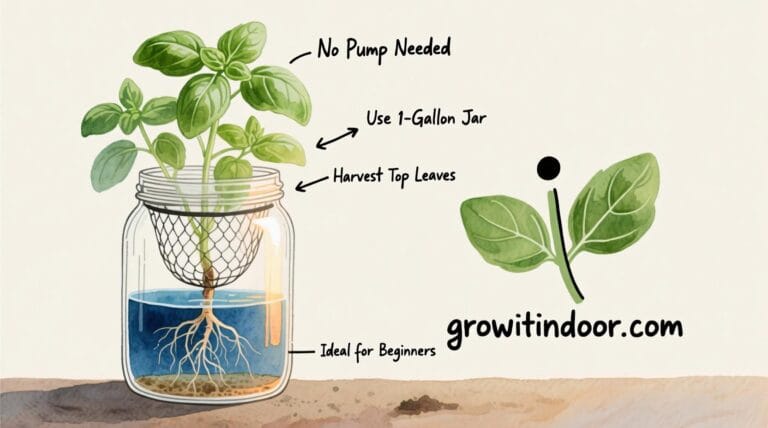
5. Krattky Method (Non-Circulating)
A no-pump, passive system where roots sit in static nutrient solution.
✅ Pros: Zero electricity; perfect for beginners
❌ Cons: Only suitable for short-cycle crops like lettuce
👉 Recommended Starter Kit: AeroGarden Bounty or iDOO Hydroponic Garden —plug-and-play systems with built-in lights.
Best Hydroponic Plants to Grow
Not all plants thrive hydroponically. Focus on these best hydroponic plants :
| Lettuce | 4–6 weeks | Crisp, sweet; grows well in DWC/Krattky |
| Basil | 6–8 weeks | Pinch tips to encourage bushiness |
| Spinach | 6 weeks | Prefers cooler temps |
| Cherry Tomatoes | 8–10 weeks | Needs support and strong light |
| Strawberries | 10–12 weeks | Great for vertical towers |
| Cucumbers | 8 weeks | Train vines upward |
Avoid root vegetables (carrots, potatoes) and large fruit trees.
Essential Components of a Hydroponic System
Every setup needs these core elements:
- Reservoir: Holds nutrient solution (5-gallon bucket works for DIY).
- Growing Medium: Supports roots (clay pebbles, rockwool cubes, coco coir).
- Nutrient Solution: Balanced N-P-K formula (buy hydroponic-specific mixes).
- Air Pump & Stone: Oxygenates water (critical in active systems).
- Grow Lights: Full-spectrum LEDs for indoor setups.
- pH & EC Meters: Monitor acidity (ideal: 5.5–6.5) and nutrient strength.
Test pH weekly and adjust with pH-up/down solutions.
DIY Hydroponics Setup: Krattky Lettuce Jar
Try this simple project:
Materials:
- Mason jar or plastic container
- Net cup
- Hydroton or perlite
- Lettuce seedling
- Hydroponic nutrients
Steps:
- Fill jar ⅔ with water + nutrients.
- Place seedling in net cup with medium.
- Float cup on water—roots touch surface.
- Place near sunny window or under LED light.
- Harvest in 5–6 weeks.
No pumps, no electricity—just pure simplicity.
Benefits of Soil-Free Gardening
- Faster Growth: Plants grow quicker due to direct nutrient access.
- Water Efficiency: Uses up to 90% less water than soil gardening.
- No Weeds or Soil Pests: Cleaner, easier maintenance.
- Year-Round Harvests: Grow indoors regardless of season.
- Space-Saving: Ideal for apartments and small homes.
Troubleshooting Common Hydroponic Issues
Algae Growth
Green slime in reservoir? Block light with opaque containers and clean weekly.
Root Rot
Brown, smelly roots? Improve aeration and reduce nutrient concentration.
Nutrient Deficiencies
Yellow leaves? Test pH and adjust nutrients accordingly.
Final Thoughts
Hydroponics for beginners is no longer science fiction—it’s a practical, sustainable way to grow food at home. With user-friendly kits, clear guides, and resilient plants, anyone can succeed.
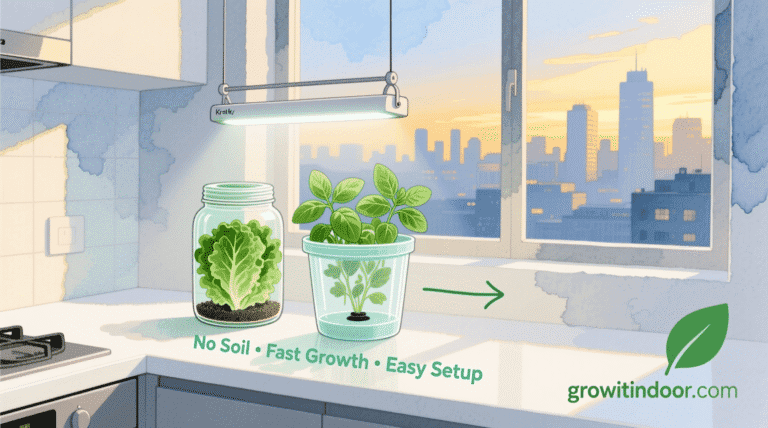
Start small with a Krattky lettuce jar, then scale up to a full indoor hydroponic system . Before you know it, you’ll be harvesting pesticide-free greens grown entirely without soil.


Your article helped me a lot, is there any more related content? Thanks!
Thanks for sharing. I read many of your blog posts, cool, your blog is very good.
Attractive component of content. I just stumbled upon your weblog
and in accession capital to say that I get in fact enjoyed account your blog posts.
Anyway I’ll be subscribing on your augment and even I achievement you access persistently
quickly.
Also visit my blog post: 宮崎市 肩こり
I don’t think the title of your article matches the content lol. Just kidding, mainly because I had some doubts after reading the article. https://accounts.binance.info/sv/register-person?ref=GQ1JXNRE
Если у вас есть ссылка на приватное видео, вы можете скачать его безопасно с помощью этого инструмента.
May I simply just say what a comfort to discover a person that genuinely understands what they’re talking about on the web.
You definitely understand how to bring an issue to
light and make it important. More and more people really need to check
this out and understand this side of your story.
I was surprised that you aren’t more popular given that you definitely have the gift.
Your point of view caught my eye and was very interesting. Thanks. I have a question for you.
Hmm is anyone else experiencing problems with the iages on this blog loading?
I’m trying to determine if its a problem on my end
or if it’s the blog. Any feed-back would be greatly appreciated.
my web site 上田市 整骨院
Your article helped me a lot, is there any more related content? Thanks!