Indoor Garden Mistakes Everyone Makes (And How to Fix Them)
January is full of fresh starts. But sometimes, our enthusiasm outpaces our experience.
We water too much. We start seeds too early. We buy plants that don’t match our light. And by February, we’re left wondering: Why did it die?
The truth? You didn’t fail.
You just made a common mistake — one nearly every indoor gardener makes.
In this honest guide, you’ll discover:
- The 5 most frequent January gardening mistakes
- Why they happen (and why they’re normal)
- Simple fixes — no guilt, no shame
- How to turn errors into quiet wisdom
Because growth isn’t about perfection.
It’s about learning — gently.
❌ Mistake #1: Overwatering “Just in Case”
“I saw the leaves droop, so I gave it more water.”
Sound familiar?
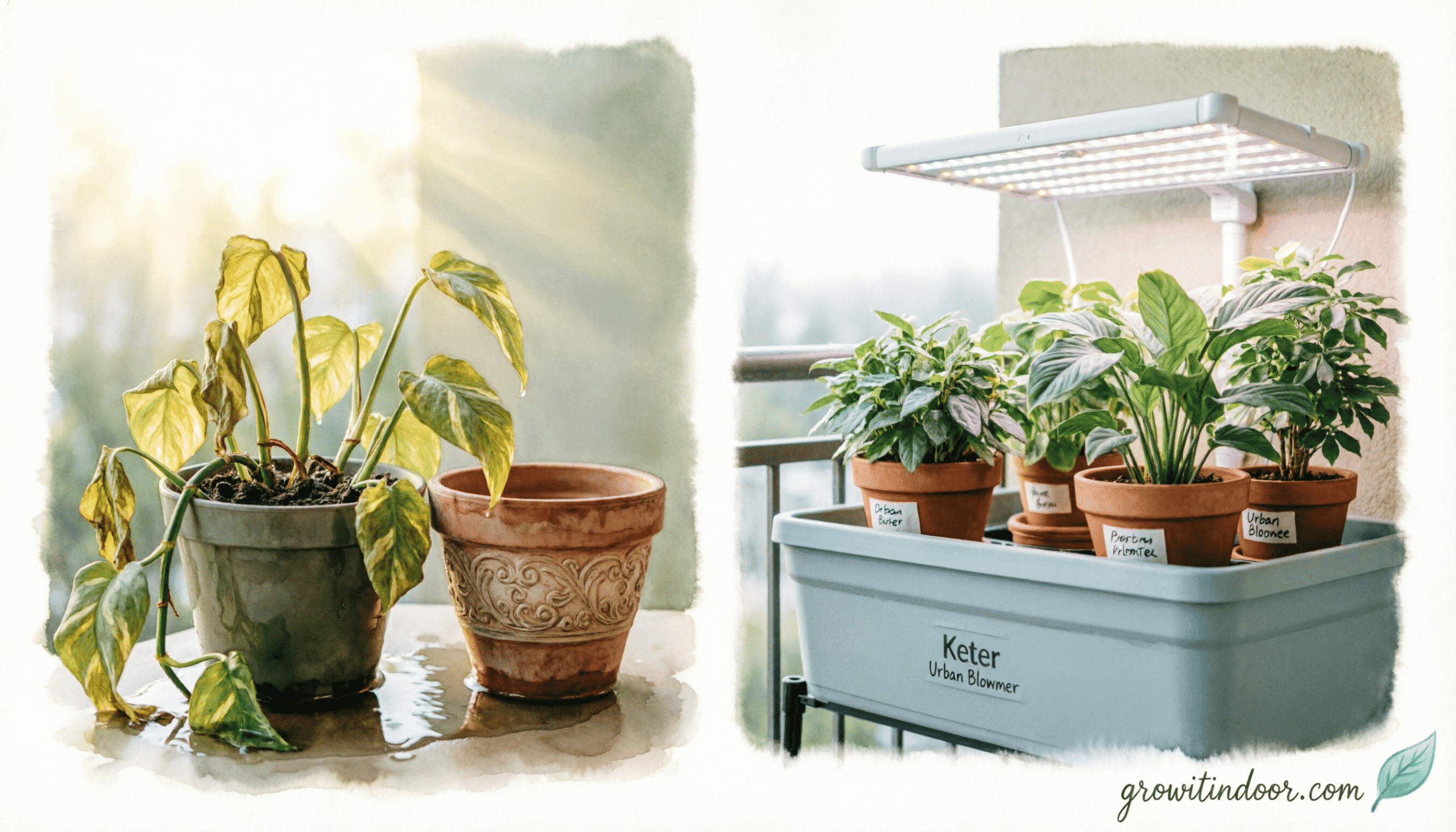
Overwatering is the #1 killer of houseplants — especially in winter, when evaporation slows and roots breathe less.
✅ How to Fix It:
- Use the finger test: Stick your finger 2–3 cm into the soil.
- Only water if it feels dry.
- Wait at least 7 days before watering again after repotting or rescue.
📌 Tip: A wooden chopstick works perfectly — if it comes out damp, wait.
🌿 Internal Link: Perfect Watering Indoor Plants: Avoid Root Rot
❌ Mistake #2: Starting Seeds Too Early
You want spring harvests — so you sow tomatoes in mid-January.
But weak winter light leads to leggy, pale seedlings that stretch desperately toward the window.
By transplant time, they’re already stressed.
✅ How to Fix It:
- Sow only when your last frost date minus 6–8 weeks arrives.
- Use LED grow lights for 14–16 hours/day.
- Add a heat mat for peppers and eggplants.
📌 Tool: Download a planting calendar app like Planter or Gardenate.
❌ Mistake #3: Ignoring Light Zones
Placing a sun-loving basil on a north-facing windowsill?
Or a ZZ plant under strong LED lights?
Mismatched placement sets plants up for failure — not because they’re fragile, but because they’re misunderstood.
✅ How to Fix It:
Map your space:
| Window | Light Level | Best For |
|---|---|---|
| South | Bright direct | Tomatoes, citrus, succulents |
| East/West | Bright indirect | Pothos, chives, marigolds |
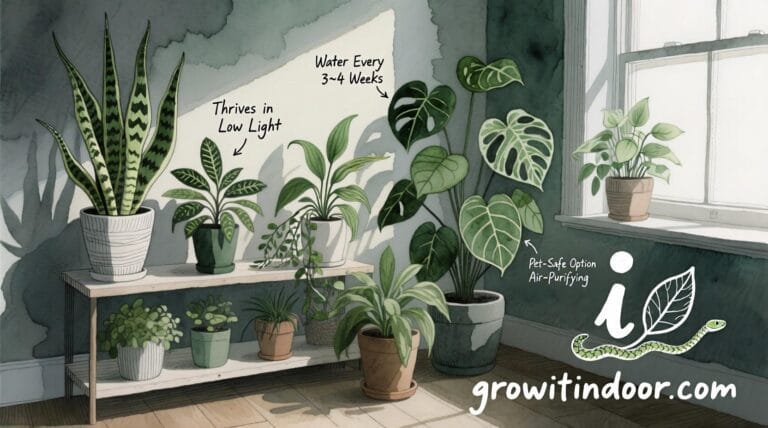
| North | Low light | Snake plant, ZZ, parlor palm |
Rotate pots weekly for even growth.
❌ Mistake #4: Using Decorative Pots Without Drainage
They look beautiful. But without drainage holes, water pools at the bottom → root rot follows fast.
✅ How to Fix It:
- Always use a plastic nursery pot inside decorative ones
- Empty saucers 30 minutes after watering
- Or choose self-draining planters with built-in reservoirs
💡 Better yet: Use pots designed for urban growing — durable, functional, and still beautiful.
💡 Recommended Product: Keter Urban Bloomer 12.7 Gallon Raised Garden Bed
If you’re tired of mismatched pots, algae-filled trays, or cracked containers — meet the Keter Urban Bloomer 12.7 Gallon Raised Garden Bed.
I’ve used mine on my small balcony all year — and here’s why I love it:
- Self-watering gauge → know exactly when to refill
- Drainage plug → prevent over-saturation
- Durable resin → survives wind, rain, UV rays
- Dark gren color → elegant, hides dirt
- Raised design → reduces back strain, improves airflow
Perfect for herbs, lettuce, strawberries, or dwarf peppers.
❌ Mistake #5: Expecting Fast Results
You want lush greens in 2 weeks.
But real growth takes time.
Plants respond to rhythm — not force.
They thrive on consistency — not intensity.
✅ How to Fix It:
- Keep a simple journal: One note per week
- Take monthly photos — compare them silently
- Celebrate tiny wins: a new leaf, clean soil, no pests
Growth isn’t always visible.
Sometimes, it happens underground.
✅ Final Thought: Every Gardener Was Once a Beginner
That yellow leaf?
That forgotten watering?
That leggy seedling?
None of them mean you’ve failed.
They mean you showed up.
And in the quiet world of indoor gardening, that’s everything.
So let go of perfection.
Keep going — slowly, kindly, steadily.
Because the most beautiful gardens aren’t born from flawless care.
They grow from trying again tomorrow.