
Hydroponic Plant Diseases: How to Identify, Treat, and Prevent Them
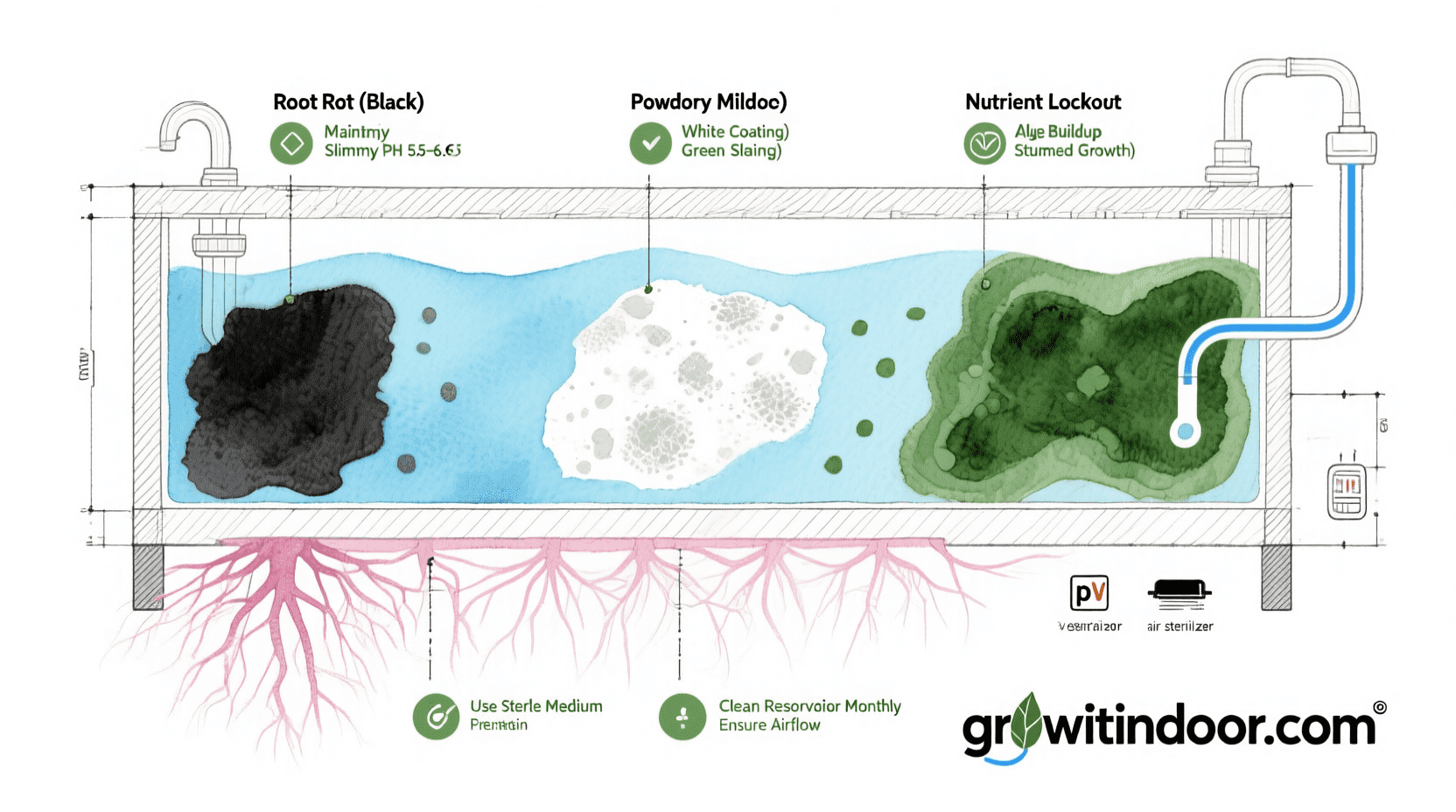
Table of Contents
- Understanding Hydroponic Plant Diseases: Why They’re Different
- Top 7 Common Hydroponic Plant Diseases (and How to Spot Them)
- Pythium Root Rot (Hydroponic Root Rot)
- Fusarium Wilt
- Powdery Mildew
- Botrytis (Gray Mold)
- Bacterial Leaf Spot
- Downy Mildew
- Viral Infections (e.g., Tomato Mosaic Virus)
- How to Diagnose Hydroponic Plant Diseases Early
- Effective Treatments for Common Hydroponic Plant Diseases
- Natural & Organic Solutions
- Chemical & Commercial Treatments
- Prevention: The Best Cure for Hydroponic Plant Diseases
- Quick-Reference Table: Hydroponic Disease Identification & Response
- Frequently Asked Questions (FAQ) About Hydroponic Plant Diseases
- Conclusion: Stay Ahead of Hydroponic Plant Diseases
Understanding Hydroponic Plant Diseases: Why They’re Different
When you grow in soil, nature provides a buffer. Microbes, fungi, and organic matter help regulate pathogens and support plant immunity. In hydroponics, that safety net disappears. Your plants rely entirely on you for protection.
The liquid environment that fuels rapid growth also accelerates disease spread. Pathogens like Pythium and Fusarium thrive in warm, oxygen-rich water. Once they enter your reservoir, they can infect every plant connected to the system.
Unlike soil-based issues, hydroponic diseases often start beneath the surface—literally. Root rot might be well advanced before you see wilting above ground. And because symptoms can mimic nutrient deficiencies, many growers waste precious time adjusting pH or EC when they should be sanitizing their system.
According to the University of Florida IFAS Extension, waterborne pathogens are the leading cause of crop failure in recirculating hydroponic setups. The USDA also warns that poor sanitation practices increase the risk of systemic infections. That’s why understanding the unique nature of hydroponic plant diseases isn’t just helpful—it’s essential for survival.
Your system’s design plays a role too. Deep Water Culture (DWC) systems are especially vulnerable to root rot due to constant submersion. Nutrient Film Technique (NFT) channels can harbor biofilm if not cleaned regularly. Aeroponics, while efficient, can spread spores through mist if humidity isn’t controlled.
Bottom line: hydroponics rewards precision. The same conditions that boost growth—warmth, moisture, and nutrients—also invite disease. Your job is to walk the tightrope between optimization and overexposure.
Top 7 Common Hydroponic Plant Diseases (and How to Spot Them)
Pythium Root Rot (Hydroponic Root Rot)
If you’ve seen roots turn brown, mushy, and emit a foul odor, you’ve met Pythium—the most notorious hydroponic plant disease. Often called “root rot,” this water mold attacks the root zone, cutting off nutrient uptake and causing rapid decline.
What to look for:
- Roots change from white and fibrous to dark brown or black
- A slimy coating on roots
- Above-ground symptoms: wilting, yellowing, stunted growth
- Foul smell from the reservoir
Pythium spreads fast in warm water (above 72°F) and low-oxygen environments. It’s especially common in DWC and flood-and-drain systems.
A study by Cornell University found that Pythium was present in over 60% of commercial hydroponic failures linked to poor system hygiene. Once established, it can survive in biofilm on pumps and tubing, waiting for the next crop.
Fusarium Wilt
This fungal disease targets vascular tissue, blocking water flow and causing one-sided wilting. It’s a frequent visitor in tomato, cucumber, and pepper systems.
Key signs:
- Yellowing starts on lower leaves, often on one side of the plant
- Stems develop dark streaks when cut open
- Plant collapses despite adequate moisture
Fusarium spores can live in your system for months, even without a host. They enter through root wounds or weak spots, making stressed plants prime targets.
Prevention is critical—once infected, plants rarely recover. The best defense? Resistant cultivars and strict sanitation.
Powdery Mildew
You’ll recognize this one instantly: a white, powdery coating on leaves, usually starting on the upper surface. It’s not just unsightly—it weakens photosynthesis and can kill plants if left unchecked.
Common triggers:
- High humidity (above 70%)
- Poor air circulation
- Cool nights and warm days
Powdery mildew thrives in NFT and drip systems where leaves stay damp. It spreads via airborne spores, so one infected plant can contaminate an entire room.
Penn State Extension notes that powdery mildew is increasingly resistant to chemical controls, making early intervention essential.
Botrytis (Gray Mold)
Also known as Botrytis cinerea, this fungus appears as fuzzy gray patches on leaves, stems, or flowers. It often starts at leaf edges or damaged tissue, especially in crowded grows.
Watch for:
- Soft, decaying spots with a grayish fuzz
- Rapid spread in cool, damp conditions
- Common in high-density lettuce or cannabis grows
Botrytis loves dead or dying plant matter. Fallen leaves in your grow tray? That’s an invitation. Remove debris immediately and increase airflow.
Bacterial Leaf Spot
Caused by pathogens like Xanthomonas and Pseudomonas, this disease shows up as water-soaked lesions that turn brown or black.
Symptoms include:
- Small, dark spots with yellow halos
- Spots may merge into large dead areas
- Rapid spread in warm, humid environments
Leaf spot is common in peppers and tomatoes. Unlike fungal issues, bacterial infections can ooze and feel sticky.
Avoid overhead watering and sanitize tools after handling infected plants. The bacteria can survive on plastic trays and scissors for weeks.
Downy Mildew
Often confused with powdery mildew, downy mildew creates angular yellow spots on the top of leaves, with a fuzzy, gray-purple growth underneath.
Ideal conditions:
- Cool temperatures (55–70°F)
- High humidity and leaf wetness
- Poor ventilation
This disease devastated hydroponic basil farms in the Northeast, according to a 2021 report by the American Phytopathological Society. Once established, it’s hard to eliminate without systemic treatments.
Viral Infections (e.g., Tomato Mosaic Virus)
Viruses don’t multiply in your reservoir, but they spread fast through contact. Tomato Mosaic Virus (ToMV) causes mottled, distorted leaves and stunted fruit.
Signs of viral infection:
- Irregular light and dark patches on leaves
- Leaf curling or fern-like growth
- Uneven ripening in fruit
Viruses are usually brought in by contaminated tools, hands, or aphids. There’s no cure—infected plants must be removed and destroyed.
Sanitation is your only real defense. Always wash hands and sterilize tools before moving between plants.
How to Diagnose Hydroponic Plant Diseases Early
Catching a problem early can save your entire crop. Here’s how to stay ahead:
- Inspect roots weekly – Lift a few plants and check root color and texture. White and firm is healthy. Brown and slimy means trouble.
- Examine leaves under magnification – A 10x hand lens reveals early mold, mites, or bacterial spots before they’re visible to the naked eye.
- Track growth patterns – If plants stop growing or new leaves are smaller, investigate immediately.
- Test your nutrient solution – Sudden pH swings or EC drops can indicate root damage from disease.
- Use a grow journal – Record symptoms, dates, and environmental conditions. Over time, you’ll spot patterns and triggers.
Don’t assume it’s a nutrient issue. Yellowing could be nitrogen deficiency—or it could be Fusarium. Always check the roots first.
A quick tip: shine a flashlight through the reservoir. Cloudiness or stringy biofilm means microbial overgrowth. Time to flush and sterilize.
Effective Treatments for Common Hydroponic Plant Diseases
Natural & Organic Solutions
When disease strikes, many growers reach for harsh chemicals. But nature offers powerful alternatives.
Hydrogen Peroxide (3%)
- Breaks down into water and oxygen, killing anaerobic pathogens
- Use 3ml per liter of reservoir water
- Apply at the first sign of root rot
- Caution: Overuse can harm beneficial microbes and delicate roots
Beneficial Microbes
- Trichoderma harzianum and Bacillus subtilis colonize roots and outcompete pathogens
- Products like RootShield and Subdue Boost act as both treatment and prevention
- Add during transplant or weekly in maintenance doses
Neem Oil
- Effective against powdery mildew and some bacterial infections
- Mix 2 teaspoons per gallon of water
- Spray leaves at night to avoid phototoxicity
- Note: Not safe for all systems—avoid in aquaponics with fish
These solutions work best when applied early. Once a disease is systemic, even strong organics may not save the plant.
Chemical & Commercial Treatments
Sometimes, you need a stronger response.
Physan 20 and ZeroTol
- Hydrogen dioxide-based sanitizers
- Use to flush reservoirs and sterilize equipment
- Effective against Pythium, Fusarium, and biofilm
- Follow label instructions—overuse can damage plant tissue
Copper-Based Fungicides
- Kill bacteria and fungi on contact
- Spray for leaf spot and downy mildew
- Risk: copper accumulates in solution and can become toxic
UV Sterilizers and Ozone Generators
- Installed in-line with your pump, they destroy pathogens in real time
- UV systems reduce microbial load by up to 90%, according to the American Society of Agricultural and Biological Engineers
- Ideal for large or commercial setups
For severe outbreaks, combine treatments. Flush the system with hydrogen peroxide, then introduce beneficial microbes to rebuild root health.
Prevention: The Best Cure for Hydroponic Plant Diseases
You can’t eliminate all risk, but you can make your system inhospitable to disease.
1. Sterilize Between Crops
- Empty and clean all components: reservoir, pump, tubing, grow trays
- Soak in 10% bleach solution or food-grade peracetic acid for 30 minutes
- Rinse thoroughly to avoid chemical residue
2. Control the Environment
- Keep humidity between 40–70%
- Maintain air temperature between 65–75°F
- Use oscillating fans to keep leaves dry and air moving
3. Manage Your Nutrient Solution
- Change reservoir water every 7–14 days
- Monitor pH (5.5–6.5 is ideal for most crops)
- Avoid overfeeding—excess nutrients stress roots and encourage pathogens
4. Quarantine New Plants
- Isolate new seedlings for 7–10 days
- Inspect daily for spots, pests, or wilting
- Don’t introduce them to your main system until fully cleared
5. Practice Strict Hygiene
- Wear gloves when handling plants
- Sanitize scissors, stakes, and trays with isopropyl alcohol
- Wash hands before and after working in the grow room
For more on nutrient management, check out our guide on balancing pH and EC in hydroponics. And if you’re battling pests, our article on organic pest control for hydroponic systems has proven strategies.
Quick-Reference Table: Hydroponic Disease Identification & Response
| Disease | Symptoms | Treatment | Prevention Tips |
|---|---|---|---|
| Pythium Root Rot | Brown, slimy roots; wilting | H₂O₂, beneficial microbes | Sterilize system; avoid overwatering |
| Powdery Mildew | White powder on leaves | Neem oil, potassium bicarbonate | Increase airflow; reduce humidity |
| Fusarium Wilt | Yellowing, stem streaks | Remove plant; sterilize system | Use resistant varieties |
| Bacterial Leaf Spot | Black spots with yellow halos | Copper fungicide, remove infected | Avoid leaf wetting; sanitize tools |
| Botrytis (Gray Mold) | Gray fuzz on leaves/flowers | Improve airflow; remove dead tissue | Space plants; reduce humidity |
| Downy Mildew | Yellow spots, purple fuzz underneath | Phosphorous acid sprays | Cool nights, dry leaves |
| Viral Infections | Mottled, distorted growth | Remove and destroy plant | Control aphids; sanitize tools |
Frequently Asked Questions (FAQ) About Hydroponic Plant Diseases
What are the most common hydroponic plant diseases?
The top threats include Pythium root rot, powdery mildew, bacterial leaf spot, and Fusarium wilt. These thrive in the warm, moist conditions of hydroponic systems.
Can hydroponic plant diseases spread to soil gardens?
Yes. Pathogens can hitch a ride on tools, clothing, or hands. Always sanitize equipment before moving between growing methods.
How do I stop hydroponic plant diseases before they start?
Focus on cleanliness, environmental control, and early detection. Sterilize your system regularly, monitor root health, and maintain optimal humidity and temperature.
Is hydrogen peroxide safe for all hydroponic plants?
Most plants tolerate 3% H₂O₂ at 3ml per liter. However, sensitive herbs like basil or cilantro may react poorly. Test on one plant first.
Can I reuse grow media after a disease outbreak?
Only if properly sterilized. Boil clay pebbles or soak in 10% bleach for 30 minutes, then rinse thoroughly. Rockwool should be discarded.
How often should I clean my hydroponic system?
Flush the reservoir every 1–2 weeks. Perform a full system clean between crop cycles using a food-safe sanitizer.
For deeper insights into pathogen control, visit the University of Florida IFAS Extension on hydroponic diseases. You can also explore research from the American Phytopathological Society on emerging fungal threats. The Cornell Cooperative Extension offers practical guides for commercial and home growers alike.
Conclusion: Stay Ahead of Hydroponic Plant Diseases
Hydroponic plant diseases don’t have to ruin your harvest. In fact, most outbreaks are preventable with consistent care and smart practices. The key is to shift from reactive to proactive. Instead of waiting for yellow leaves or slimy roots, build a system that resists disease from the start.
Sterilize regularly. Monitor roots and leaves. Control humidity and airflow. And never underestimate the power of early detection.
Your hydroponic garden is a living ecosystem. When balanced and protected, it can produce faster, cleaner, and healthier crops than soil ever could. But it demands respect. Every drop of nutrient solution, every breath of air, every tool you use—it all matters.
Now that you know how to identify, treat, and prevent the most common hydroponic plant diseases, you’re not just growing plants. You’re mastering an art.
👉 Take action today: Pick one prevention step—clean your reservoir, inspect your roots, or install a fan—and do it now.
💬 Have a story to share? Tell us about your biggest hydroponic challenge in the comments. Let’s grow stronger together.


Your article helped me a lot, is there any more related content? Thanks!
This website was… how do I say it? Relevant!!
Finally I have found something which helped me. Thanks a lot!
Thank you for your sharing. I am worried that I lack creative ideas. It is your article that makes me full of hope. Thank you. But, I have a question, can you help me?
Thank you for your sharing. I am worried that I lack creative ideas. It is your article that makes me full of hope. Thank you. But, I have a question, can you help me? https://www.binance.info/register?ref=JW3W4Y3A
Can you be more specific about the content of your article? After reading it, I still have some doubts. Hope you can help me.
Your point of view caught my eye and was very interesting. Thanks. I have a question for you.
I loved as much as you will receive carried out right here.
The sketch is tasteful, your authored subject matter stylish.
nonetheless, you command get got an edginess over that
you wish be delivering the following. unwell unquestionably
come further formerly again since exactly the same nearly
a lot often inside case you shield this hike.
Hi! I’m at work browsing your blog from my new apple iphone!
Just wanted to say I love reading through your blog and look forward to all your posts!
Carry on the fantastic work!
Thanks for sharing. I read many of your blog posts, cool, your blog is very good.
Can you be more specific about the content of your article? After reading it, I still have some doubts. Hope you can help me.
Thank you for your sharing. I am worried that I lack creative ideas. It is your article that makes me full of hope. Thank you. But, I have a question, can you help me?
Thank you for your sharing. I am worried that I lack creative ideas. It is your article that makes me full of hope. Thank you. But, I have a question, can you help me?