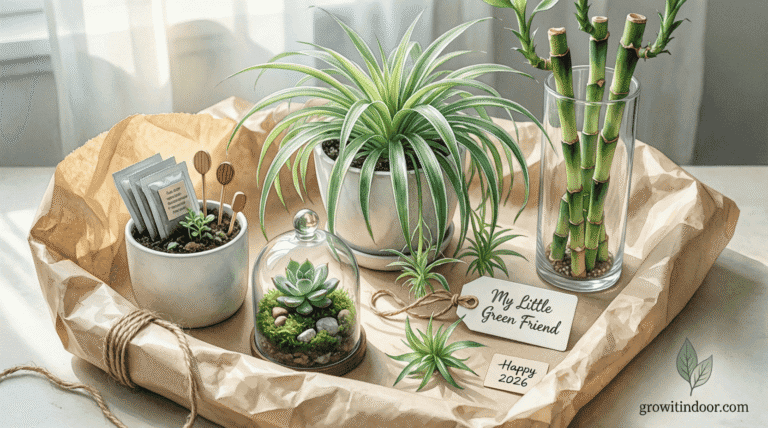
New Year, New Setup: Refresh Your Indoor Garden in 5 Easy Steps

The new year is the perfect time to hit reset — not just on your habits, but on your space. And if you’re like many urban gardeners, your indoor plants may have drifted into corners, gathered dust, or become overcrowded after the holiday season.
Instead of starting over, why not refresh what you already have? A thoughtful redesign can breathe new life into your indoor garden — making it more beautiful, functional, and joyful to care for.
In this guide, you’ll discover:
- 5 simple steps to revitalize your indoor garden
- How to match plant needs with light zones
- Creative ways to upgrade containers and layout
- Tips for keeping the momentum all year long
No major renovations needed. Just intention, a little time, and love for your leafy friends.
Let’s turn your indoor jungle into a sanctuary that reflects who you are — and who you want to grow into.
🌱 Why a January Garden Refresh Matters
Plants respond to energy — yours included. After months of holiday chaos, travel, or irregular routines, your plants might look tired. Yellow leaves, leggy stems, or dusty foliage aren’t always signs of poor care — they’re often signs of neglected rhythm.
A fresh setup does more than improve looks:
- It helps plants thrive by matching them with ideal conditions
- It makes maintenance easier and more enjoyable
- It turns plant care into a mindful ritual
- It boosts mental clarity and emotional well-being
According to a study by the University of Exeter, people in greener workspaces reported higher levels of focus, creativity, and happiness.
So when you refresh your indoor garden, you’re not just decorating — you’re designing a better environment for your mind.
🛠️ Step 1: Audit Your Current Collection
Before adding anything new, take stock of what you already have.
Walk through your space and ask:
- Is this plant healthy?
- Does it get the right amount of light?
- Do I enjoy caring for it?
- Has it outgrown its pot?
Make three piles:
- Keep & Relocate (healthy, happy)
- Rehome or Gift (struggling, mismatched)
- Propagate or Replace (leggy, overgrown)
📌 Tip: Don’t feel guilty about letting go. A plant that doesn’t fit your space isn’t failing — it’s just meant for someone else.
🌿 Internal Link: How to Save a Dying Houseplant: Emergency Care Guide
☀️ Step 2: Map Your Light Zones
Not all windows are equal. To give your plants their best chance, match them to the right light zone.
Use a simple system:
| Zone | Light Level | Best For |
|---|---|---|
| South Window | Bright direct (6–8 hrs) | Tomatoes, basil, succulents |
| East/West Window | Bright indirect (4–6 hrs) | Pothos, spider plant, chives |
| North Window | Low light (<4 hrs) | Snake plant, ZZ plant, peace lily |
| Interior Rooms | Artificial only | Plants under LED grow lights |
📌 Pro Tip: Use the Sun Seeker app to track sunlight patterns in real time using your phone’s camera.
Once mapped, move your plants accordingly — even a few feet can make a big difference.
🪴 Step 3: Upgrade Containers & Stands
Sometimes, all a plant needs is a better home.
Look for opportunities to:
- Replace old, stained pots
- Add self-watering features
- Use stands to elevate low-light lovers
- Group similar plants together
Creative Ideas:
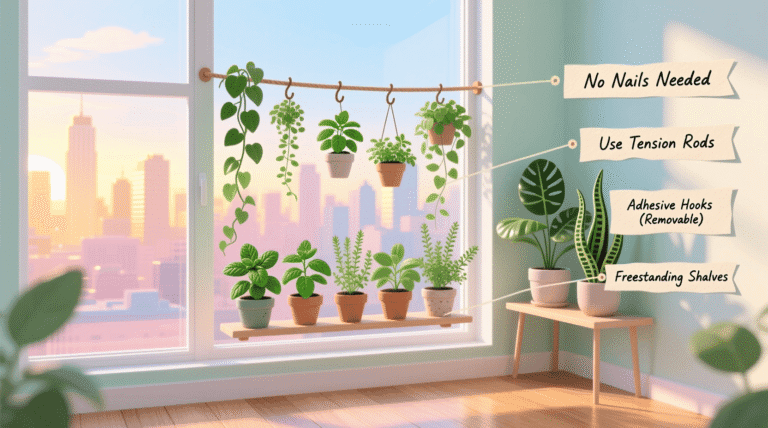
- Stackable shelves → maximize vertical space
- Wheeled plant caddies → easy movement for cleaning or light adjustment
- Hanging macramé hangers → free up floor space
- Rail planters → perfect for balconies or narrow spaces
📌 Bonus: Choose pots in a cohesive color palette (white, terracotta, matte black) for instant visual harmony.
🌿 Internal Link: Compact Balcony Garden Design in 10 Easy Steps
🎨 Step 4: Rearrange for Flow & Feeling
Your indoor garden should feel intentional — not cluttered.
Try these design principles:
1. Create Focal Points
Place one standout plant (like a fiddle leaf fig or monstera) where it draws attention.
2. Use Layering
Tall plants in back, medium in middle, trailing in front — creates depth.
3. Balance Symmetry & Asymmetry
Two identical snake plants on either side of a sofa = calm symmetry.
An uneven grouping of different herbs = lively asymmetry.
4. Add Non-Plant Elements
Include books, ceramics, or natural materials (wood, stone) to ground the greenery.
📌 Example: A small reading nook with a ZZ plant, woven basket, and candle feels complete — not “half-decorated.”
📝 Step 5: Build a Simple Care Routine
A beautiful setup fails without follow-through. So create a realistic care plan that fits your lifestyle.
Start with:
- Watering schedule based on touch, not calendar
- Monthly leaf wipe-downs
- Quarterly soil refresh
- Seasonal rotation (every 3 months)
Then add micro-habits:
- Water plants while waiting for coffee to brew
- Check for pests during weekly cleaning
- Take a photo every month to track growth
📌 Tip: Label each plant with name, water needs, and last care date.
✅ Printable Indoor Garden Refresh Checklist
| Task | Done? |
|---|---|
| Audit plant collection | ☐ |
| Map light zones | ☐ |
| Clean all pots & saucers | ☐ |
| Move plants to correct spots | ☐ |
| Upgrade 1–2 containers | ☐ |
| Wipe down all leaves | ☐ |
| Label all plants | ☐ |
| Set monthly reminder | ☐ |
📥 Download PDF version → [Link to be added]
❌ 3 Mistakes That Ruin a Fresh Setup
- Overcrowding too soon
→ Fix: Leave breathing room. Plants grow. - Ignoring future size
→ Fix: Research max height before placing near ceilings or shelves. - Using decorative pots without drainage
→ Fix: Always use a plastic nursery pot inside — prevents root rot.
💡 Pro Tips for Long-Term Joy
- Take a “before” photo — you’ll appreciate the progress.
- Celebrate small wins — a new leaf, a successful propagation.
- Share your space — invite a friend to help rearrange or gift a cutting.
- Stay flexible — your garden will evolve. Let it.
🌿 Final Thought: Growth Begins With a Single Adjustment
You don’t need a full renovation to transform your indoor garden.
Sometimes, moving one plant to a sunnier spot… replacing a cracked pot… or simply wiping the dust off the leaves… is enough to reignite your joy.
In 2026, let your garden reflect not perfection — but presence.
Because the most beautiful setups aren’t the ones that look perfect on Instagram.
They’re the ones that feel alive.