
Do Snake Plants Bloom? What It Means When Yours Flowers
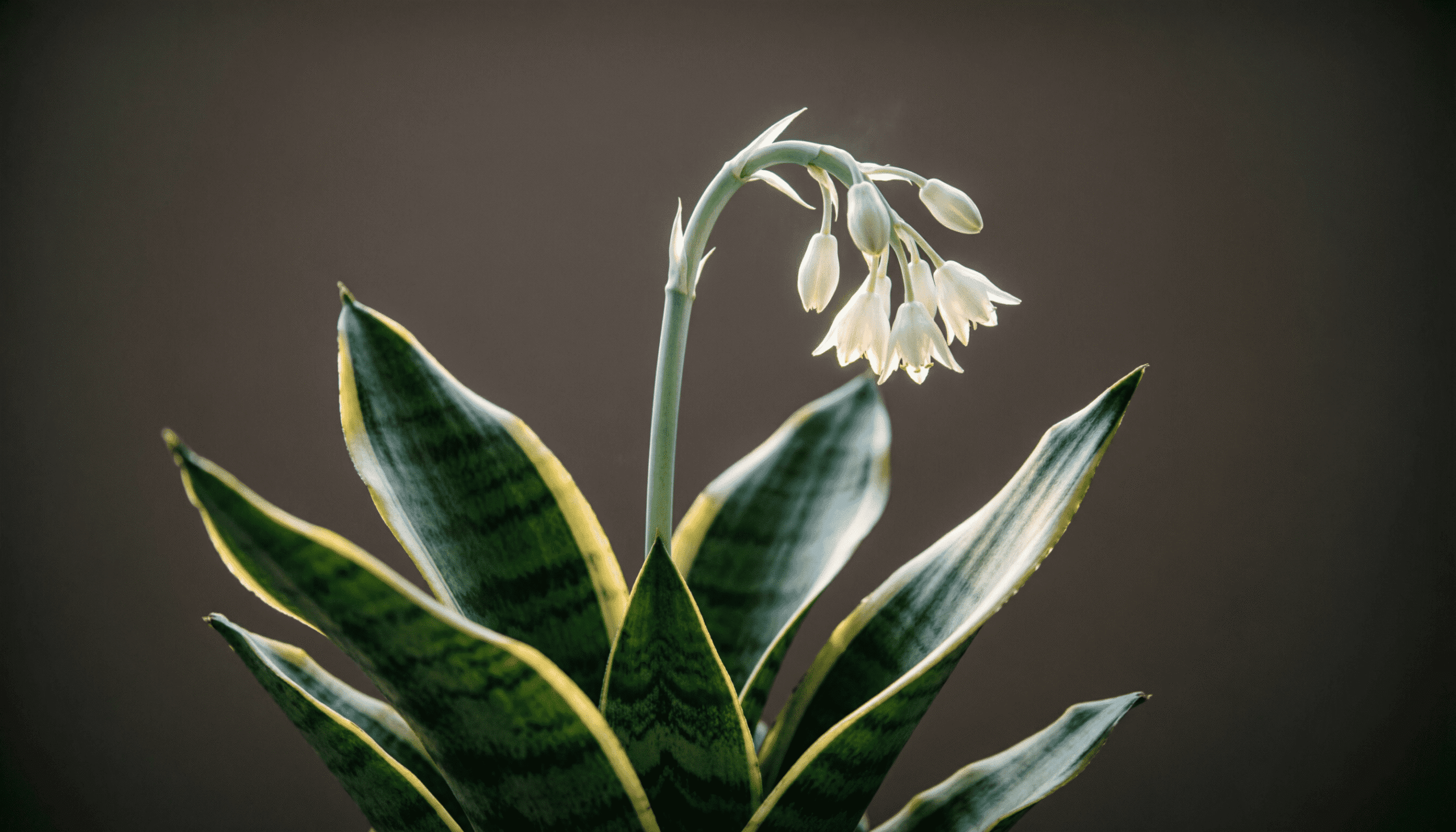
You’ve had your snake plant for years. Maybe it’s survived droughts, forgetfulness, and even a long winter without sunlight. It’s the quiet guardian of your living room — tough, elegant, nearly unkillable.
And then, one morning, you see it: a thin stalk rising from the center, tipped with small green buds.
Is it possible?
Is your snake plant blooming?
Yes — and while rare, it’s not a myth. Snake plants (Sansevieria trifasciata) can flower indoors, though they often wait years — sometimes over a decade — before sending up their delicate blooms.
In this guide, we’ll explore:
- Why snake plants bloom so rarely
- What conditions trigger flowering
- What it means — botanically and symbolically
- How to care for your plant during and after blooming
Because when your snake plant flowers, it’s not just a surprise.
It’s a sign.
🌸 Why Snake Plants Bloom So Rarely
Unlike many houseplants that flower predictably, snake plants are notoriously slow to bloom — especially indoors. Most never do. This is normal. They evolved in dry, rocky regions of West Africa, where resources are scarce and survival comes first.
Flowering is an energy-intensive process. For a snake plant, it only happens when it feels truly safe, stable, and well-established. Think of it as a botanical “I’m ready” moment — a response to consistent light, temperature, and care over many years.
According to researchers at the University of Florida IFAS Extension, indoor flowering typically occurs in mature plants (5+ years) grown in bright, indirect light with mild seasonal changes — such as cooler nights in fall.
So if yours has finally bloomed, congratulations.
Your plant trusts its home.
🔗 Source: University of Florida IFAS – Houseplant Flowering Patterns
🌞 What Conditions Trigger Blooming?
While there’s no guaranteed formula, certain habits increase the chances:
Bright, Indirect Light
Snake plants tolerate low light, but they thrive near a south- or west-facing window. At least six hours of strong indirect sun helps build the energy needed for flowering.
Mild Seasonal Shifts
Plants respond to rhythm. Slight drops in night temperature during autumn, followed by longer days in spring, mimic natural cycles that encourage blooming.
Infrequent But Deep Watering
Let the soil dry completely between waterings. Overwatering stresses roots and delays maturity.
Mature Age
Most flowering begins after 5–7 years. Patience is part of the journey.
Avoid fertilizing heavily — too much nitrogen promotes leaf growth, not flowers.
💬 What Does It Mean When Your Snake Plant Flowers?
Beyond biology, people have long attached meaning to this rare event.
In Feng Shui, a blooming snake plant is believed to release positive energy — a sign that harmony and balance have been achieved in the home.
In urban folklore, some say it brings good luck, especially if the flowers appear unexpectedly. Others believe it signals a turning point — personal growth, healing, or new beginnings.
Even scientifically, it speaks volumes: your plant is healthy, settled, and thriving under your care.
So yes — celebrate quietly. Take a photo. Mark the date. Share it with someone who understands what it took.
This isn’t just a flower.
It’s a story.
🌼 What Do the Flowers Look Like?
When your snake plant blooms, don’t expect showy petals. Its beauty is subtle.
The flower stalk emerges from between the leaves, growing up to two feet tall. Along its length, clusters of small, creamy-white to pale greenish flowers form.
They open slowly, often at night, releasing a faint, sweet fragrance — reminiscent of jasmine or gardenia. The scent attracts moths in the wild, aiding pollination.
Each bloom lasts only a few days, but new ones continue forming along the stem for several weeks.
After flowering, the stalk will eventually yellow and die back. Trim it off at the base once fully dry.
🌿 Internal Link: Low-Light Houseplants That Thrive in Dark Rooms
🪴 Should You Cut the Flower Off?
No — unless it’s completely brown and dried.
While the flower doesn’t harm the plant, removing it too early cuts short the experience. Let it bloom fully. Enjoy the fragrance, the slowness, the quiet miracle of it.
Once spent, cut the stalk cleanly at the base to redirect energy back into the leaves.
Note: After blooming, some owners notice slower leaf growth temporarily. This is normal — the plant used reserves to flower. Resume regular care, and vigor returns.
❌ Common Misconceptions
“My snake plant died after flowering!”
No — flowering does not kill the plant. However, stress from poor care afterward might.
“Only wild snake plants bloom.”
False. Many indoor growers report blooms — especially in older, well-cared-for specimens.
“All varieties bloom the same way.”
Not exactly. While most Sansevieria trifasciata types can flower, dwarf or variegated cultivars may be less likely due to genetic modifications.
✅ Final Thought: A Quiet Kind of Miracle
We live in a world that celebrates loud victories — viral moments, instant results, constant motion.
But real growth is quieter.
A snake plant blooms not because it was forced, but because it felt safe enough to try.
And so, perhaps, can we.
Maybe your plant bloomed because you finally found peace.
Or stayed through the hard season.
Or learned to care gently, consistently, without expectation.
Whatever it means — honor it.
Because some miracles don’t shout.
They rise silently from the soil,
one slender stalk at a time.