Are Coffee Grounds Good for Houseplants? The Truth No One Tells You
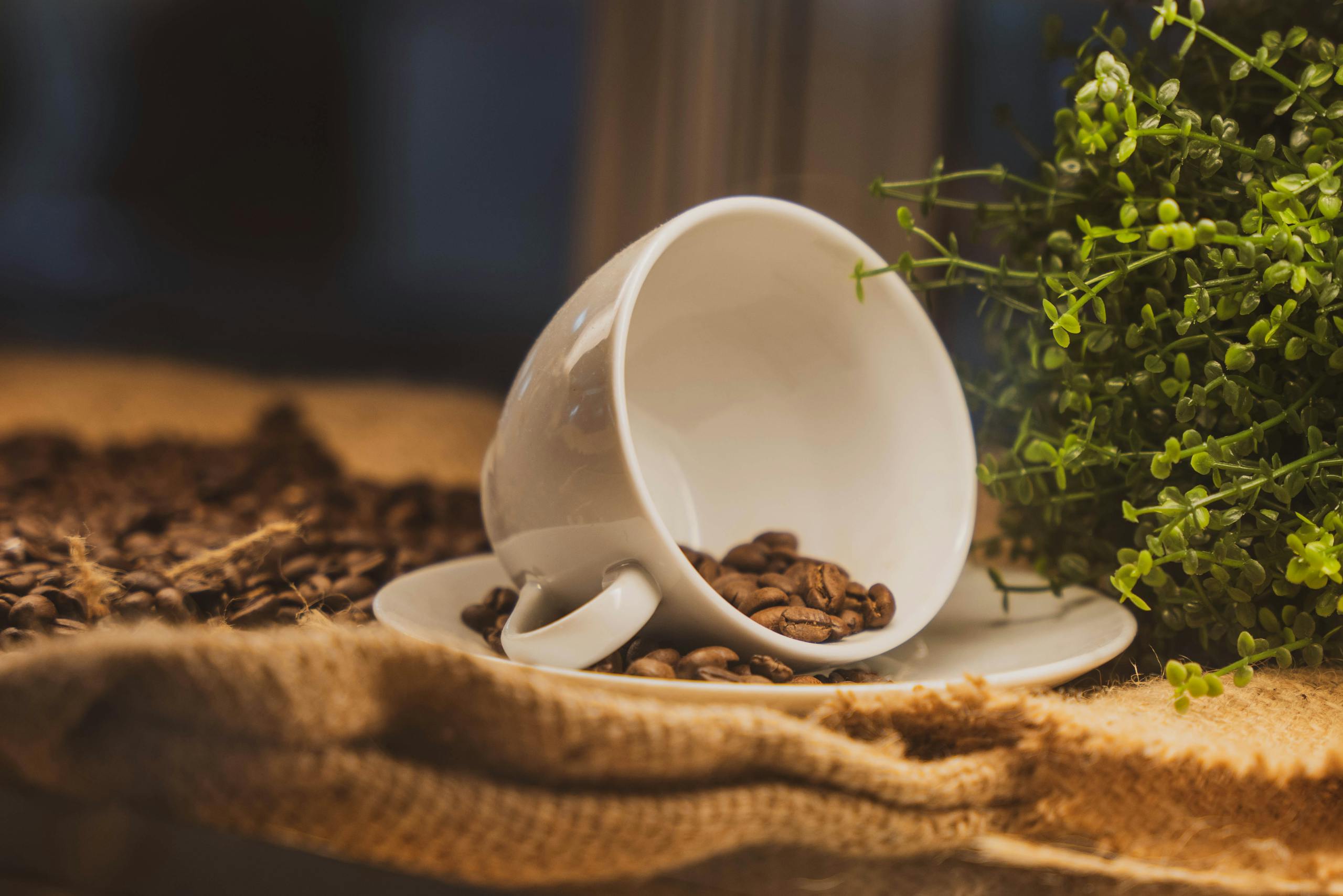
You’ve seen the advice everywhere: “Add coffee grounds to your plants — they love them!”
It sounds perfect. A natural way to reuse waste, feed your soil, and help your monstera thrive — all while sipping your morning brew.
But is it really that simple?
The truth about coffee grounds and houseplants is more nuanced than social media suggests. While they can be beneficial in small, thoughtful amounts, using them incorrectly can do more harm than good.
In this guide, you’ll discover:
- Which houseplants truly benefit from coffee grounds
- How to use them safely — without harming roots or attracting pests
- The science behind nitrogen, acidity, and soil health
- Why “natural” doesn’t always mean “safe”
Because when it comes to caring for green life, even well-meaning habits deserve a second look.
Let’s separate myth from reality — one spoon at a time.
☕ What Are Coffee Grounds — Really?
Used coffee grounds are the leftover damp pulp after brewing. They’re rich in organic matter and contain nutrients like nitrogen, potassium, and phosphorus — elements plants need to grow.
On the surface, this makes them sound ideal as a natural fertilizer. And in outdoor compost piles, they break down efficiently, feeding the soil ecosystem.
But indoors, with potted plants in closed containers, the story changes.
Unlike garden beds where microbes and worms help decompose material quickly, indoor pots have limited airflow and biological activity. That means coffee grounds don’t break down fast — they sit in the soil, compacting over time, trapping moisture, and creating conditions where mold and fungus gnats thrive.
According to researchers at Cornell University Cooperative Extension, undecomposed coffee grounds can form a crust on top of potting mix, blocking water absorption and reducing oxygen flow to roots.
So yes — coffee grounds have value. But only if used wisely.
🔗 Source: Cornell Cooperative Extension – Using Coffee Grounds in Container Gardening
✅ When Coffee Grounds Help (And For Which Plants)
There are safe ways to use coffee grounds — just not directly on most houseplants.
Best Use Case: Compost Ingredient
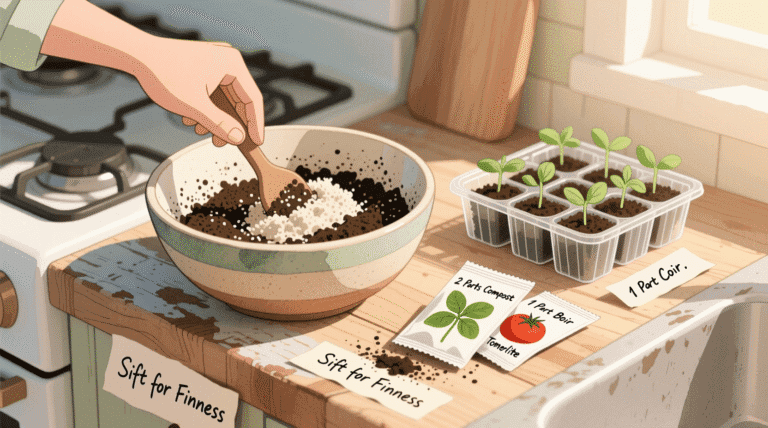
Mix fresh or dried grounds into a compost bin at a ratio of no more than 10–20% of total volume. Combine with brown materials (shredded paper, dry leaves) to balance acidity.
After several weeks, fully decomposed compost can be added to indoor plants as a nutrient-rich amendment.
Plants That Tolerate Light Top-Dressing:
A tiny sprinkle of dried grounds may benefit acid-loving plants — but never press it into the soil.
Try only with:
- Pothos
- Philodendron
- Peace Lily (in very small amounts)
- Ferns (only in humid environments)
Always apply less than you think you need — and monitor closely for signs of trouble.
❌ When Coffee Grounds Do More Harm Than Good
For many popular houseplants, coffee grounds are not helpful — and can be dangerous.
1. They Attract Fungus Gnats
Moist coffee grounds are a breeding ground for tiny black flies. Their larvae feed on organic matter — including young roots.
Even a small amount left on wet soil can trigger an infestation that spreads to other plants.
2. They Increase Soil Acidity Over Time
While some plants prefer slightly acidic soil, most common houseplants thrive in neutral to slightly acidic pH (6.0–7.0).
Coffee grounds lower pH slowly — which may seem harmless at first. But over time, increased acidity locks out essential nutrients like calcium and magnesium, leading to yellowing leaves and weak growth.
3. They Form a Water-Repelling Crust
As coffee dries, it hardens into a dense layer that repels water instead of absorbing it. This causes irrigation to run off the sides of the pot — leaving roots thirsty beneath a false sense of moisture.
4. They Encourage Mold Growth
Clumped, damp grounds create a dark, warm environment ideal for mold species like Trichoderma and Penicillium. While not always harmful to plants, these fungi release spores that can affect indoor air quality — especially for those with allergies or respiratory sensitivities.
🌿 Internal Link: Common Houseplant Pests: Identify & Eliminate
🛠️ Safer Alternatives to Raw Coffee Grounds
If you want to give your plants a natural boost, consider these gentler options:
1. Worm Castings (Vermicompost)
Rich in nutrients, microbially active, and safe for indoor use. Mix 1–2 tablespoons into the topsoil every few months.
2. Diluted Liquid Seaweed Fertilizer
Provides trace minerals without altering pH. Apply once per month during growing season.
3. Used Tea Leaves (Composted First)
Less acidic than coffee, and breaks down faster. Only use plain tea (no citrus or oils), and compost before applying.
Avoid direct application of any raw kitchen waste unless fully decomposed.
💡 Final Thought: Care Is Not About Adding More
We often believe that loving something means giving it more — more food, more water, more attention.
But real care also knows when to hold back.
Your pothos doesn’t need coffee because it’s tired.
Your snake plant isn’t sad because it hasn’t had espresso.
They need what they’ve always needed:
Light.
Time.
Stillness.
And maybe, just once in a while, a little less fuss — and a lot more trust.
So keep drinking your coffee.
Leave the grounds in the compost bin.
And let your plants grow — gently, quietly, exactly as they should.